Hair Moisture Calculator
If your hair feels rough, frizzy, or breaks easily, it’s not just damaged-it’s thirsty. Dry hair isn’t just an aesthetic issue; it’s a sign your strands aren’t getting enough moisture to stay flexible and strong. The good news? Keeping your hair moisturized doesn’t require expensive treatments or complicated routines. It’s about understanding how your hair holds water and what actually works to lock it in.
Why Your Hair Gets Dry
Hair isn’t like skin-it doesn’t produce its own oils past the scalp. The natural sebum from your scalp travels down the hair shaft, but if your hair is curly, coily, or chemically treated, that oil often gets stuck before it reaches the ends. That’s why the tips of your hair are usually the driest part. Heat styling, harsh shampoos, chlorine, saltwater, and even low humidity can strip moisture out faster than your body can replace it. In Wellington’s cool, windy climate, winter months make this even worse. Without proper care, your hair loses elasticity, becomes brittle, and starts snapping off.Start with the Right Wash Routine
Washing your hair too often removes natural oils. Most people with dry hair only need to shampoo 1-2 times a week. Use a sulfate-free cleanser. Sulfates like sodium lauryl sulfate are strong detergents that strip moisture and leave hair feeling tight and straw-like. Look for cleansers with ingredients like cocamidopropyl betaine or decyl glucoside-they clean gently without overdrying.Conditioning is non-negotiable. Always condition after shampooing. Apply conditioner from mid-lengths to ends, never just the scalp. Let it sit for at least 3-5 minutes. If you’re short on time, use a leave-in conditioner. It acts like a moisture barrier throughout the day.
Deep Conditioning Weekly
Once a week, swap your regular conditioner for a deep treatment. These are thicker, more nutrient-dense formulas designed to penetrate the hair shaft. Look for ingredients like shea butter, honey, aloe vera, or glycerin. Glycerin is especially helpful-it pulls moisture from the air into your hair. But in very dry climates, it can sometimes pull moisture *out* if not sealed in. That’s why sealing is next.Seal in Moisture with Oils
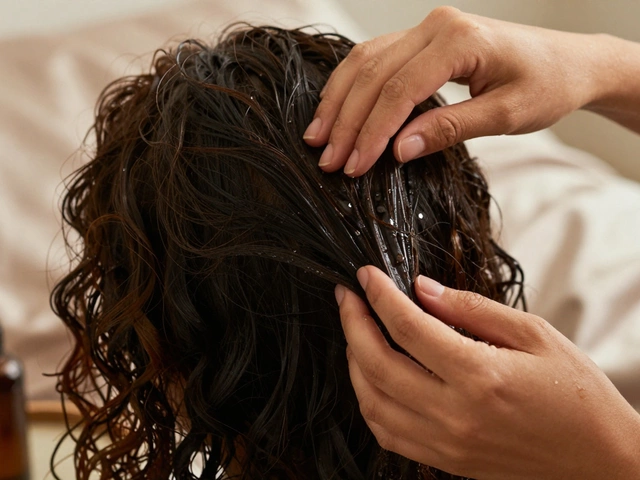
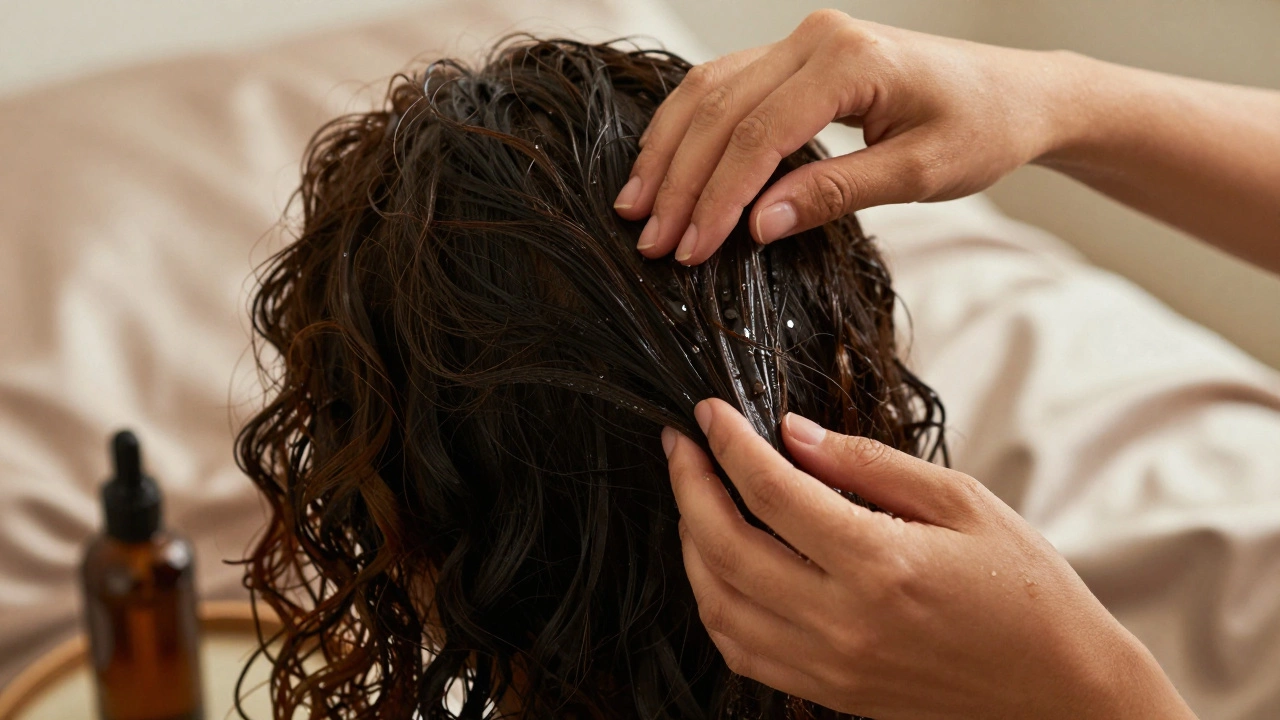
Water alone doesn’t stay in your hair. You need something to lock it in. This is called sealing. After applying a water-based leave-in or deep conditioner, add a small amount of oil. Not all oils are equal. Lightweight oils like jojoba, grapeseed, or almond oil work best because they mimic natural sebum and absorb easily. Heavier oils like castor or coconut oil are great for very thick or coarse hair, but can weigh down fine strands.Apply just a dime-sized amount of oil to damp hair, focusing on the ends. Rub it gently between your palms first to warm it up. This helps it spread evenly without making your hair greasy.

Hydration vs. Moisture: Know the Difference
Many people confuse hydration with moisture. Hydration means adding water to your hair. Moisture means locking that water in. You need both. A hydrating spray with water and aloe vera gives your hair a quick drink. A sealing oil keeps that drink from evaporating. Skipping the seal? You’re pouring water into a leaky bucket.Protective Styles and Night Care
At night, friction from cotton pillowcases steals moisture. Switch to a satin or silk pillowcase, or wear a satin bonnet. These surfaces reduce friction and help retain oils and conditioners overnight. If you have long or curly hair, try loose braids or a pineapple (a high, loose ponytail) before bed. This prevents tangles and keeps your curls defined.Also, avoid tight ponytails, clips, or headbands that pull on your hairline. Constant tension leads to breakage, especially at the weakest, driest points.
Water-Based Products Are Your Best Friend
Look for products where water is the first ingredient. That means the formula is mostly water, which your hair can absorb. Avoid products where oils or alcohols are listed first-those sit on top and don’t penetrate. Ingredients like panthenol, hydrolyzed proteins, and ceramides also help repair the hair’s natural barrier so it holds onto water longer.Trim Regularly
Split ends don’t just look bad-they spread. When the ends of your hair are dry and damaged, they continue splitting upward, taking more healthy hair with them. Trimming every 8-12 weeks doesn’t make your hair grow faster, but it stops the damage from creeping up. Think of it like cutting the frayed end of a rope so the whole thing doesn’t unravel.
Environmental Factors Matter
In Wellington, the wind and rain can be brutal on hair. On windy days, cover your hair with a scarf or hat made of soft fabric. Avoid synthetic materials that create static. If you’re using a blow dryer, always use a heat protectant. Even low heat over time dries out hair. Air drying is ideal. If you must use heat, keep it on low and move the dryer constantly.What Not to Do
- Don’t use hot water to wash your hair-it opens the cuticle and lets moisture escape faster.
- Avoid alcohol-based sprays and gels. They dry out hair over time.
- Don’t brush dry hair with a regular brush. Use a wide-tooth comb or detangling brush on damp hair instead.
- Stop using silicones as your only moisturizer. They give a temporary smooth feel but don’t hydrate. Over time, they build up and block moisture from entering.
Quick Daily Moisture Routine
- Wash with sulfate-free shampoo 1-2 times a week.
- Apply conditioner every time you wash, focusing on mid-lengths and ends.
- Use a leave-in conditioner after rinsing.
- Apply 2-3 drops of jojoba or grapeseed oil to damp ends.
- At night, sleep on silk or wear a satin bonnet.
- Trim every 8-10 weeks.
This routine takes less than 10 minutes a day. No magic potions. Just consistency.
When to See a Professional
If you’ve tried these steps for 6-8 weeks and your hair still feels dry, brittle, or breaks easily, it might be time to see a trichologist or a hairstylist who specializes in moisture retention. Underlying issues like thyroid conditions, nutrient deficiencies (especially biotin, iron, or zinc), or chronic over-processing can sabotage even the best routine. A professional can run tests or recommend targeted treatments you can’t do at home.Can I use coconut oil to moisturize my hair?
Yes, but only if your hair is thick, curly, or coarse. Coconut oil works well as a pre-wash treatment because it penetrates the hair shaft and reduces protein loss. But if your hair is fine or straight, it can weigh it down. Use it sparingly and always follow with a lighter oil like jojoba to seal. Never use it alone as your only moisturizer-it doesn’t add water, just seals what’s already there.
How often should I deep condition my hair?
Once a week is ideal for dry or damaged hair. If your hair is naturally oily or fine, every other week is enough. If you color or chemically treat your hair, stick to weekly. Use a deep conditioner with ingredients like shea butter, honey, or panthenol. Leave it on for at least 20 minutes under a shower cap for best results. Heat helps it penetrate deeper.
Is water bad for curly hair?
No-water is essential. Curly hair needs water more than straight hair because the curl pattern makes it harder for natural oils to travel down the shaft. The problem isn’t water-it’s what happens after. If you wet your hair and don’t seal it with a conditioner or oil, the water evaporates and leaves your curls dry and frizzy. Always follow water with a leave-in or oil to lock it in.
Do hair masks really work?
Yes, but not all of them. A good hair mask is thicker than a regular conditioner and contains higher concentrations of emollients and humectants. Look for ones with ingredients like avocado oil, argan oil, or ceramides. Avoid masks with heavy silicones as the main ingredient-they feel luxurious but just coat the hair without fixing the root problem: lack of hydration.
Can I moisturize my hair without products?
You can improve hydration without store-bought products, but you can’t fully moisturize without some form of sealant. Drinking water helps your body, but not directly your hair. The best natural approach is to rinse with cool water, use a diluted apple cider vinegar rinse (1 part vinegar to 4 parts water) once a week to smooth the cuticle, and seal with a few drops of jojoba or olive oil. But for long-term results, you’ll still need a leave-in conditioner or oil to lock in moisture effectively.