Hair Washing Time Advisor
Find Your Perfect Washing Time
Answer a few questions to get a personalized recommendation based on your hair type and lifestyle
Why this timing works for you:
Ever caught yourself staring at your shampoo bottle at 11 p.m., wondering if you should just wash your hair now or wait until morning? You’re not alone. The debate over whether to wash your hair at night or in the morning isn’t just about convenience-it affects how your hair looks, feels, and holds up over time. And the answer isn’t one-size-fits-all. It depends on your hair type, lifestyle, and what you’re trying to fix-oiliness, frizz, breakage, or just plain bad hair days.
Why Timing Matters More Than You Think
Washing your hair isn’t like brushing your teeth. Your scalp produces oil-sebum-to keep your strands moisturized. But too much of it, especially overnight, can clog follicles, cause itchiness, or make your hair look greasy by noon. On the flip side, washing too early in the morning might leave your hair flat and lifeless by lunchtime because it hasn’t had time to recover its natural texture.
Research from the Journal of Clinical and Aesthetic Dermatology shows that people who wash their hair daily have higher rates of scalp irritation if they don’t use the right products. But skipping washes entirely? That can lead to buildup, dandruff, and even hair thinning over time. So timing isn’t just about preference-it’s about balance.
Washing at Night: The Pros
If you wash your hair at night, you’re giving your scalp a clean slate before bed. That means less oil transfer onto your pillowcase, which can reduce acne on your forehead and neck. It also helps if you use styling products during the day-hairspray, dry shampoo, or serums-because washing at night removes them completely.
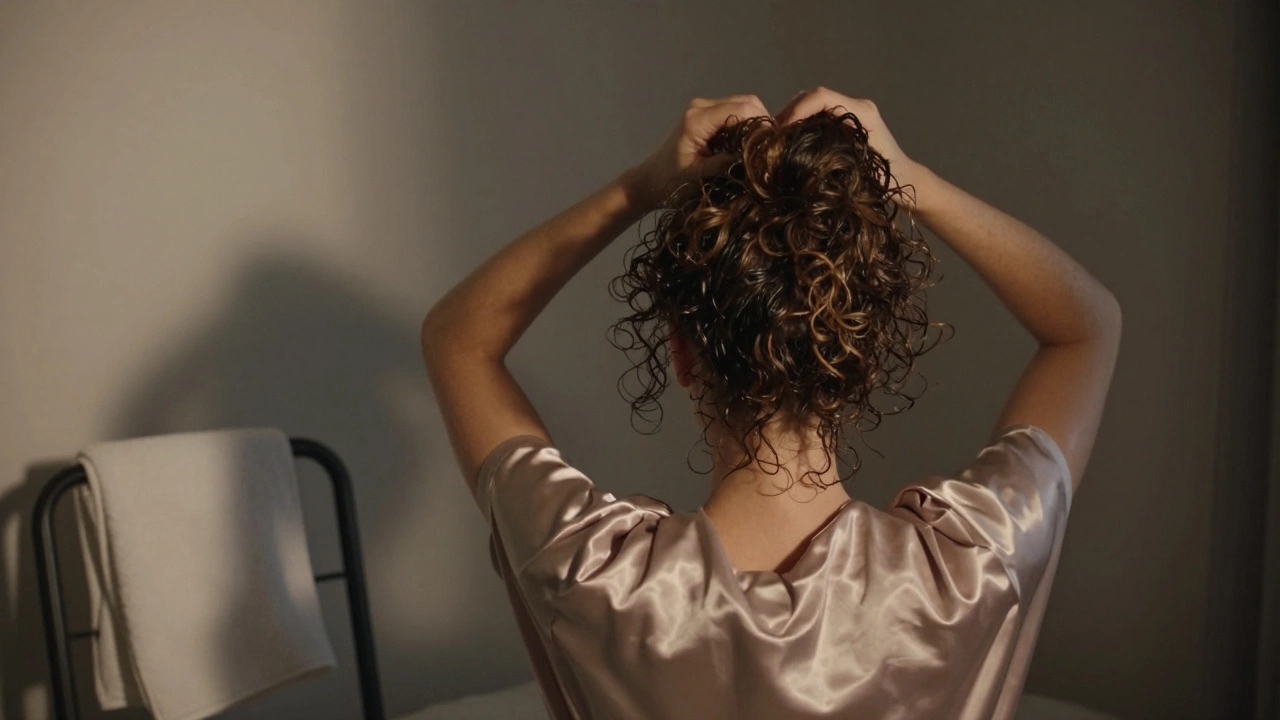
For people with curly or coily hair, nighttime washing can be a game-changer. Wet hair is more fragile, and letting it air-dry overnight lets curls form naturally without friction from brushing or touching. Many with textured hair skip blow-drying altogether and just sleep with their hair in a loose pineapple bun. The result? Less frizz, more definition.
Also, if you’re someone who sweats a lot during the night-whether from hot weather, stress, or thick bedding-washing before bed removes that buildup before it sits on your scalp for hours. In Wellington, where damp winters and indoor heating are common, this can make a real difference in scalp comfort.
Washing at Night: The Cons
Here’s the catch: sleeping with wet hair isn’t always good for you. Damp hair is more prone to breakage, especially if you toss and turn. The friction against cotton pillowcases can cause split ends and weaken strands over time. A 2023 study from the University of Auckland found that people who regularly slept with wet hair had 23% more breakage than those who dried it before bed.
And if you have fine or straight hair, washing at night might leave you with limp, lifeless strands by morning. Without the volume boost from morning styling, your hair can look flat and unstyled all day. Plus, if you don’t blow-dry it properly, moisture trapped against your scalp can encourage fungal growth-especially if you have dandruff-prone skin.
Washing in the Morning: The Pros
Washing your hair in the morning gives you a fresh start to the day. Your scalp has had time to rest, and you’re not washing away natural oils that your hair actually needs. For people with oily scalps, this can feel like a reset button-your hair looks clean and bouncy without needing product.
It’s also ideal if you plan to style your hair with heat tools. Wet hair is more vulnerable to heat damage, but if you wash in the morning, you can blow-dry and style while your hair is still damp, reducing the chance of over-processing. If you’re heading to work, the gym, or a meeting, having freshly washed hair gives you confidence.
And if you’re someone who doesn’t like the feeling of greasy roots, morning washing means you never have to deal with that 3 p.m. oil slick. It’s especially helpful for people who live in humid climates or exercise daily-your hair doesn’t have time to absorb sweat or pollution before you wash it.

Washing in the Morning: The Cons
But here’s the downside: washing in the morning means you’re using up your day’s natural oils. For people with dry or curly hair, that can lead to over-drying. Your scalp might overcompensate by producing even more oil later in the day, leaving you with greasy roots by afternoon.
Also, if you’re short on time, washing your hair in the morning adds another step to an already busy routine. Blow-drying takes time. And if you’re rushing, you might skip conditioning or towel-dry too aggressively, which leads to frizz and damage.
Plus, if you’re someone who uses a lot of styling products-like texturizing sprays or volumizing mousse-you’re washing them off before they’ve had a chance to work. That means you’ll need to reapply, which can lead to buildup over time.
What’s Best for Your Hair Type?
There’s no universal rule. But your hair type can guide you.
- Fine or straight hair: Wash in the morning. These hair types get oily fast, and nighttime washing often leads to flatness. A morning wash gives you lift and volume without needing product.
- Thick, curly, or coily hair: Wash at night. These textures benefit from longer drying times and less manipulation. Sleeping with hair in a pineapple or silk scarf helps preserve curl pattern.
- Dry or chemically treated hair: Wash every other day, preferably at night. This gives your scalp time to naturally replenish oils without stripping them too often.
- Oily scalp, dry ends: Try a “conditioner-only” wash in the morning and a full wash at night once or twice a week. This balances oil control without drying out your ends.
Real-Life Scenarios That Change the Game
Let’s say you work out every morning. Sweating adds salt, dirt, and bacteria to your scalp. Washing at night won’t help-you need to rinse it off before it sits there all day. In that case, morning is better.
What if you’re a night owl who falls asleep at 2 a.m.? Washing at 11 p.m. means you’re not rushing. You can take your time, condition properly, and let your hair dry naturally. That’s a win.
And if you’re traveling? Washing at night saves time in the morning. No blow-dryer needed. Just wrap it in a microfiber towel and go.

Pro Tips for Any Timing
Regardless of when you wash, these habits make a difference:
- Use lukewarm water, not hot. Hot water strips natural oils and irritates the scalp.
- Always follow shampoo with conditioner-but only apply it to the mid-lengths and ends. Avoid the scalp unless it’s dry.
- Use a microfiber towel or cotton T-shirt to dry. Regular towels cause friction and breakage.
- If you sleep with wet hair, use a silk or satin pillowcase. It reduces friction and keeps hair smoother.
- Don’t wash daily unless you have to. Most people only need to wash 2-3 times a week. The rest? Rinse with water or use dry shampoo.
What About Hair Growth?
Some people believe washing at night helps hair grow faster. That’s a myth. Hair growth happens at the follicle, deep under the scalp. Washing timing doesn’t affect that. What does matter? Scalp health. A clean, irritation-free scalp supports stronger growth. So whether you wash at night or morning, focus on gentle cleansing and avoiding harsh sulfates.
Studies from the International Journal of Trichology show that consistent scalp care-regardless of timing-leads to 18% less shedding over six months. So pick a routine you can stick to. Consistency beats timing every time.
Final Verdict
There’s no perfect time to wash your hair. But there is a best time for you. If you’re oily, sweaty, or in a rush-wash in the morning. If you’re curly, dry, or prefer slow routines-wash at night. The goal isn’t to follow trends. It’s to match your hair’s needs with your life.
Try switching your wash time for two weeks. Notice how your hair feels. Does it stay cleaner longer? Do you have less frizz? Fewer tangles? That’s your answer.
Your hair doesn’t care what time it is. It just wants to be treated right.
Should I wash my hair every day?
No, most people don’t need to wash daily. Overwashing strips natural oils and can trigger more oil production. Washing 2-3 times a week is enough for most hair types. If you sweat a lot or use heavy products, rinse with water on off-days instead.
Does washing hair at night cause hair loss?
No, washing at night doesn’t cause hair loss. Hair shedding during washing is normal-you’re just removing strands that were already ready to fall out. But sleeping with wet hair without protection can lead to breakage, which looks like hair loss. Use a silk pillowcase and avoid tight ponytails.
Is it bad to go to bed with wet hair?
It’s not dangerous, but it’s not ideal. Wet hair is fragile and can break against cotton pillowcases. It also creates a moist environment that may encourage fungal growth on the scalp, especially if you’re prone to dandruff. If you must sleep with wet hair, use a silk pillowcase and loosely tie it up.
What’s the best product to use after washing?
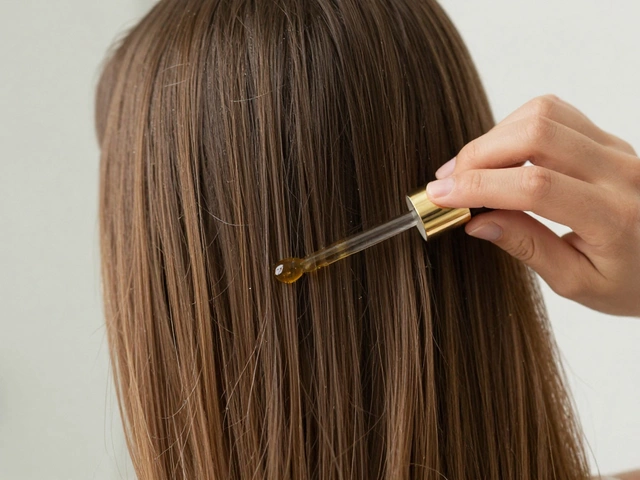
After washing, use a leave-in conditioner or hair oil tailored to your hair type. For fine hair, go for lightweight serums. For curly or dry hair, try a cream-based conditioner. Avoid heavy silicones if you wash frequently-they build up and weigh hair down.
Can I wash my hair with just water?
Yes, especially on non-shampoo days. Water rinses away sweat and dust without stripping oils. This method, called "co-washing," works well for curly, dry, or color-treated hair. Just make sure to use shampoo once or twice a week to remove buildup.