Personalized Hair Oiling Routine Planner
Configure Your Profile
Your Recommended Schedule
Ideal Oil Types:
Detailed Instructions:
Select your hair profile to get a personalized plan.
You’ve probably heard that hair oiling is the secret to shiny, healthy locks. But here’s the catch: slathering oil on your head every day might actually be ruining your hair. The answer to "how often should I oil my hair?" isn’t a one-size-fits-all number. It depends entirely on your hair type, your scalp condition, and even the weather where you live.
If you’re washing out grease before it can do any good, or if you’re leaving it on so long that you attract dirt and dandruff, you’re missing the point. Let’s break down exactly how to find your sweet spot, which oils to use, and how to apply them without looking like you just walked out of a salon disaster.
The Golden Rule: Listen to Your Scalp, Not the Trend
Before we talk about schedules, we need to talk about biology. Your scalp produces sebum, a natural oil that keeps your hair hydrated. When you add external oils, you’re either supplementing what’s missing or overwhelming what’s already there.
The biggest mistake people make is treating their scalp and their hair strands as the same thing. They aren’t. Your scalp is skin; your hair is dead keratin. Oiling the scalp requires a different approach than conditioning the ends. If you have an oily scalp but dry ends (a very common combo), you need to target those areas separately. Applying heavy coconut oil to a greasy root zone will clog follicles, leading to acne and thinning hair. Applying water-based serums to brittle tips won’t seal in moisture.
So, how do you figure out your baseline? Look at your hair two days after washing it. Is it limp and flat? You likely produce enough natural oil, and you don’t need frequent pre-wash treatments. Is it straw-like and frizzy? Your hair is thirsty, and regular oiling could be a game-changer.
Oiling Frequency by Hair Type
There is no universal schedule, but there are reliable patterns based on texture and porosity. Here is a practical breakdown to help you set your routine.
| Hair Type / Condition | Frequency | Best Application Area | Ideal Oil Types |
|---|---|---|---|
| Fine, Straight, or Oily Hair | Once every 1-2 weeks | Mid-lengths to ends only | Argan, Jojoba, Grapeseed |
| Normal or Wavy Hair | Once a week | Scalp and ends | Sweet Almond, Olive, Coconut |
| Thick, Curly, or Coily Hair | 2-3 times a week | Full length and scalp | Shea Butter, Castor, Avocado |
| Dry or Damaged Hair | 2-3 times a week (pre-wash) | Focus on damaged areas | Coconut, Argan, Rosemary |
| Dandruff-Prone Scalp | 2-3 times a week (short duration) | Scalp only | Tea Tree, Neem, Peppermint |
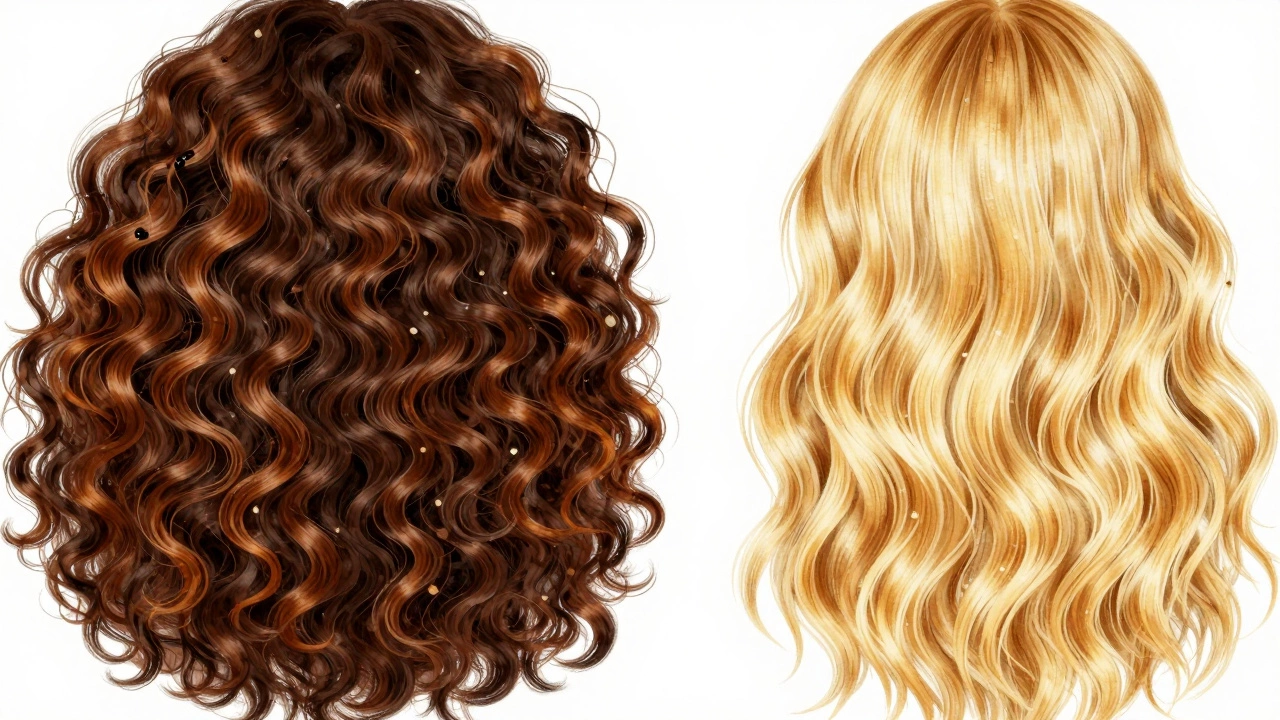
Notice that fine hair types need lightweight oils applied sparingly. Heavy oils like castor or coconut weigh down fine strands, making them look dirty within hours. On the flip side, curly and coily hair textures have cuticles that stand open, allowing moisture to escape quickly. These hair types benefit from heavier, occlusive oils that lock hydration in place.
Pre-Wash vs. Leave-In: Knowing the Difference
When people ask about oiling frequency, they usually mean pre-wash treatments. This is where you apply oil, let it sit for a period, and then shampoo it out. However, leave-in oils serve a completely different purpose.
Pre-wash oiling is primarily for protection and deep conditioning. Before you step into the shower, applying oil creates a barrier. Water swells the hair shaft, which can cause friction and breakage during washing. Oil minimizes this swelling. For most people, a pre-wash mask lasts between 30 minutes and overnight. Leaving it on longer than 24 hours doesn’t add benefits; it just makes your pillowcase a nightmare and invites bacteria to party on your scalp.
Leave-in oils are for styling and sealing. After you wash and towel-dry your hair, you apply a few drops of lightweight oil to damp hair. This seals the cuticle and adds shine. You can do this every time you wash your hair, regardless of your hair type. The key here is quantity. Fine hair needs half a pea-sized amount. Thick hair might need a full pump. Start small-you can always add more, but you can’t take it out without washing your hair again.
Choosing the Right Oil for Your Goals
Not all oils are created equal. Some penetrate the hair shaft, while others just sit on top. Understanding this helps you choose the right product for your specific problem.
- Coconut Oil: One of the few oils that can penetrate the hair cortex. It’s excellent for preventing protein loss in damaged hair. However, it’s highly comedogenic (pore-clogging) for some scalps. If you get bumps on your forehead after oiling, switch away from coconut.
- Argan Oil: Known as "liquid gold," it’s rich in vitamin E and fatty acids. It’s lightweight and absorbs quickly, making it perfect for fine hair and as a leave-in serum.
- Jojoba Oil: Structurally similar to human sebum. It tricks your scalp into thinking it has produced enough oil, which can actually regulate production over time. Great for balancing oily scalps.
- Castor Oil: Thick and viscous. It’s famous for promoting hair growth due to its ricinoleic acid content. Because it’s so heavy, mix it with a lighter carrier oil like almond or jojoba before applying to the scalp.
- Tea Tree Oil: An essential oil with antifungal properties. Never apply this directly to your skin; always dilute it. It’s fantastic for itchy, flaky scalps.
The Seasonal Factor: Adjusting for Weather
Your hair care routine shouldn’t be static. If you live in a humid climate like Wellington, New Zealand, or anywhere with high rainfall, humidity can disrupt your oil balance. Humidity causes hydrogen bonds in your hair to break and reform with water molecules, leading to frizz. In these conditions, you might need slightly more frequent light oiling to seal the cuticle against moisture in the air.
In winter, cold air and indoor heating strip moisture from your hair. You’ll likely find that your scalp gets drier and itchier. This is the time to increase your pre-wash oiling frequency or switch to richer oils like avocado or olive oil. Conversely, in summer, sweat mixes with oil, creating a breeding ground for yeast and bacteria. You may need to reduce the duration of your oil masks or switch to non-comedogenic oils to prevent folliculitis.
Common Mistakes That Ruin Results
Even with the right frequency, technique matters. Here are the pitfalls that turn a helpful routine into a headache.
- Applying too much heat: Some people warm their oil before application. While warmth helps penetration, overheating can damage the scalp and degrade the nutrients in the oil. Body temperature is usually sufficient.
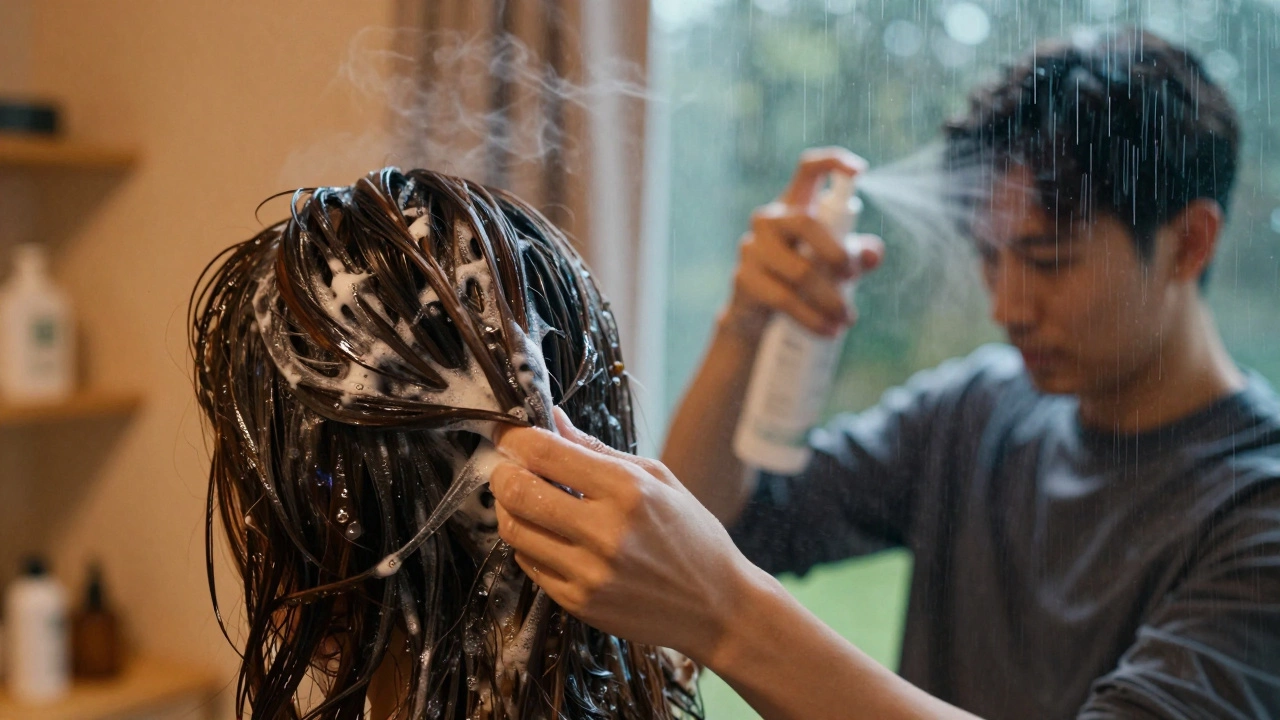
- Not washing it out properly: Oil doesn’t rinse off with water alone. You need a surfactant (shampoo) to emulsify the oil. If you feel residue, double cleanse. Wash your hair twice: once to remove the oil, and once to clean the scalp.
- Ignoring the roots: Unless you have a severely dry scalp, avoid putting heavy oil directly on the roots if you have fine hair. Focus on the mid-lengths and ends where the hair is oldest and most damaged.
- Over-oiling: More is not better. Saturated hair cannot absorb more oil; it just sits on the surface, attracting dust and pollution. If your hair looks stringy or feels waxy, you’ve used too much.
Special Considerations: Color-Treated and Chemically Processed Hair
If you bleach, dye, or relax your hair, your cuticle is lifted and compromised. This makes your hair porous and prone to rapid moisture loss. For chemically treated hair, oiling is less about "frequency" and more about "maintenance."
You should aim for weekly deep conditioning with oil-based masks. Look for blends that include hydrolyzed proteins alongside oils. Protein strengthens the structure, while oil seals it. Avoid hot oil treatments if your hair is extremely fragile, as heat can further weaken broken bonds. Stick to room-temperature applications and gentle massage techniques.
Can I oil my hair every day?
For most people, daily oiling is not recommended unless you are using a tiny amount of lightweight leave-in oil on the ends. Daily pre-wash oiling can lead to product buildup, clogged pores, and a greasy appearance. Fine-haired individuals should definitely avoid daily oiling. Those with very dry, curly, or coily hair might benefit from daily light moisturizing with a blend of water and light oil, but heavy treatments should be limited to 2-3 times a week.
Should I oil my hair before or after washing?
It depends on your goal. Oiling before washing (pre-poo) protects your hair from water absorption and shampoo stripping, reducing breakage. This is best for deep conditioning. Oiling after washing (on damp hair) seals in moisture and adds shine. This is best for styling and frizz control. Many people do both: a heavy pre-wash mask once a week and a light leave-in serum after every wash.
How long should I leave oil in my hair?
A minimum of 30 minutes allows the oil to penetrate the hair shaft effectively. Overnight is also popular and works well for dry hair, but ensure you protect your pillowcase with a satin bonnet or towel. Leaving oil on for more than 24 hours offers diminishing returns and increases the risk of scalp irritation or bacterial growth. For sensitive scalps, shorter durations (15-30 minutes) are safer.
Does oiling really help hair grow?
Oiling itself does not stimulate new hair growth from the follicle. However, it improves the overall health of the existing hair, reducing breakage and split ends. This means your hair retains length better, giving the appearance of faster growth. Certain oils like rosemary and peppermint have shown some promise in studies for improving blood circulation to the scalp, which may support follicle health, but results vary by individual.
What if I have dandruff? Should I still oil my hair?
Yes, but choose your oil carefully. Dandruff is often caused by a yeast called Malassezia, which feeds on certain oils. Avoid heavy coconut oil if it worsens your flakes. Instead, opt for antifungal oils like tea tree, neem, or salicylic acid-infused oils. Apply them to the scalp only, leave them on for 20-30 minutes, and wash thoroughly. If dandruff persists, consult a dermatologist, as it may require medicated shampoos.