Hair Regrowth Potential & Treatment Estimator
Looking in the mirror and seeing more scalp than you used to is never a fun experience. You might be asking yourself if that lost density can ever return. The short answer? It depends on why it left in the first place. If your follicles are still alive but dormant, yes, you can often coax them back into action. If they’ve been dead for years, we need to manage expectations.
Hair loss isn’t just one thing. It’s a symptom of something else happening under the surface-whether that’s hormonal shifts, nutritional gaps, or stress-induced shedding. Understanding the root cause is the only way to pick the right treatment. Let’s break down what actually works, based on current dermatological consensus, and what’s just marketing hype.
Identify Why Your Hair Is Thinning
Before you buy expensive serums, you need to know what type of hair loss you’re dealing with. Not all thinning looks the same, and treating the wrong type won’t give you results.
- Telogen Effluvium: This is temporary shedding caused by major stress, illness, or rapid weight loss. It usually starts 2-3 months after the trigger. The good news? It’s often reversible once the trigger is removed.
- Androgenetic Alopecia: Commonly known as male or female pattern baldness. This is genetic and hormonal. Follicles shrink over time due to sensitivity to dihydrotestosterone (DHT). It requires ongoing treatment to manage.
- Alopecia Areata: An autoimmune condition where the body attacks hair follicles, causing patchy loss. This needs medical intervention, not just cosmetic fixes.
- Traction Alopecia: Caused by tight hairstyles like braids or ponytails. If caught early, stopping the tension allows hair to grow back.
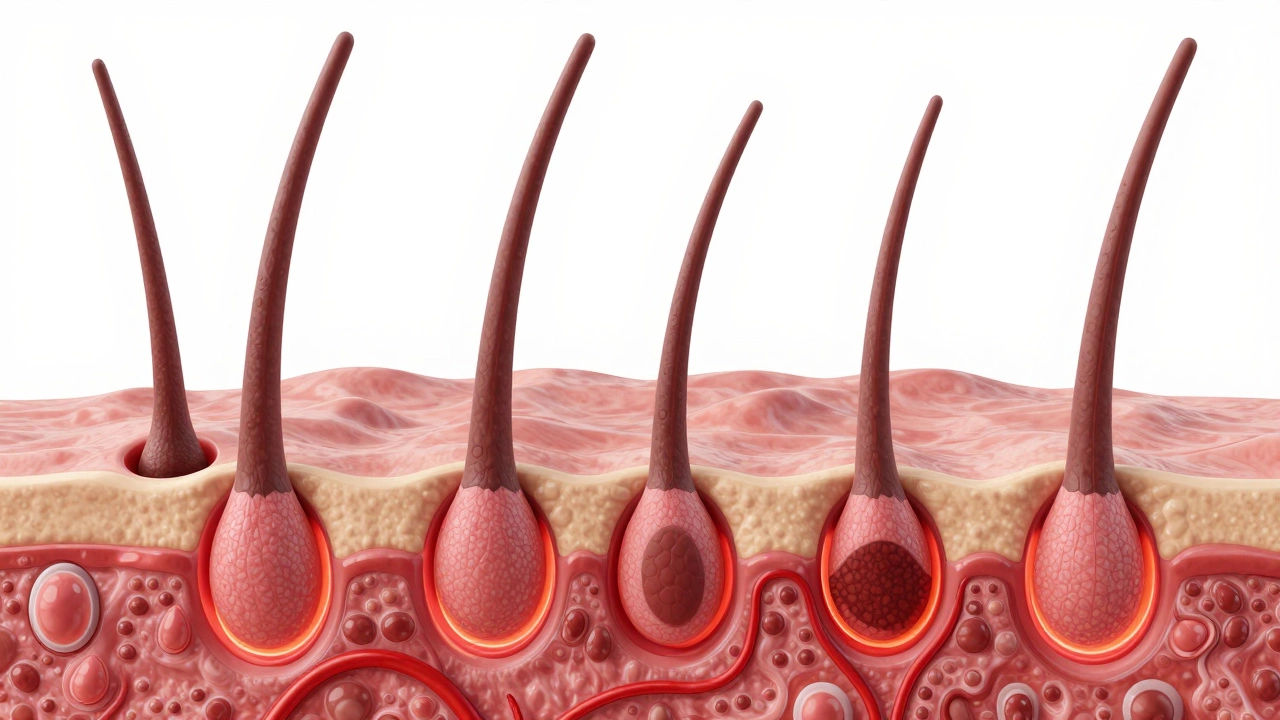
If you’re unsure, see a dermatologist. They can look at your scalp under magnification and tell you if your follicles are miniaturizing (shrinking) or completely gone. You can’t regrow hair from a scarred-over follicle, so knowing the status of your scalp is step one.
The Science of Regrowth: What Actually Works
When it comes to stimulating hair regrowth, science has given us a few reliable tools. These aren’t magic wands, but they are proven to extend the growth phase of your hair cycle.
Minoxidil is the most widely studied topical treatment for hair loss. Originally a blood pressure medication, it was found to stimulate hair growth as a side effect. It works by widening blood vessels around the follicle, delivering more oxygen and nutrients. For best results, you need consistency. Apply it twice daily, and expect to wait at least four months before seeing visible changes. Many people experience a "shedding phase" in the first few weeks-this is normal and means old hairs are making room for new ones.
For those who prefer oral options, Finasteride is a prescription pill that blocks DHT production. It’s highly effective for men with pattern baldness. Women of childbearing age should avoid handling crushed tablets due to potential birth defects. Newer alternatives like Dutasteride are also gaining traction for their potency.
Low-Level Laser Therapy (LLLT) devices, like laser caps or combs, use red light to stimulate cellular activity in the follicle. Studies show mixed but generally positive results when used consistently for several months. It’s non-invasive but requires a significant time commitment.
Nutrition: Fueling Your Follicles
Your hair is made primarily of keratin, a protein. If you’re not eating enough protein, your body will deprioritize hair growth because it’s not essential for survival. Aim for at least 0.8 grams of protein per kilogram of body weight daily.
Beyond protein, specific micronutrients play a huge role in hair health:
- Iron: Low ferritin (iron storage) levels are a common cause of hair shedding, especially in women. Get your levels checked; supplementation without deficiency can do more harm than good.
- Vitamin D: Receptors for Vitamin D are found in hair follicles. Deficiency is linked to alopecia. Sun exposure or supplements can help boost levels.
- Zinc: Essential for tissue growth and repair. Zinc deficiency can lead to hair loss, though excessive zinc can inhibit copper absorption, which is also bad for hair.
- Biotin: Often hyped, biotin only helps if you have a clinical deficiency, which is rare in developed countries. Don’t waste money on mega-doses unless a doctor recommends it.
A balanced diet rich in leafy greens, lean meats, nuts, and seeds provides the building blocks your hair needs. Crash diets are a fast track to telogen effluvium, so avoid extreme calorie restriction.
Scalp Health and Gentle Handling
You can’t grow healthy hair on an unhealthy scalp. Think of your scalp like soil; if it’s inflamed or clogged, nothing will thrive. Seborrheic dermatitis (dandruff) causes inflammation that can disrupt the hair growth cycle.
Use a gentle, sulfate-free shampoo to clean without stripping natural oils. If you have dandruff, incorporate a medicated shampoo with ketoconazole or salicylic acid a few times a week. This reduces inflammation and creates a better environment for growth.
Physical trauma also matters. Wet hair is more fragile and prone to breakage. Avoid brushing it aggressively when wet. Use a wide-tooth comb instead. Also, reduce heat styling. Flat irons and blow dryers can damage the cuticle, leading to breakage that mimics thinning. If you must use heat, always apply a heat protectant spray.

Advanced Treatments and Procedures
If topicals and lifestyle changes aren’t cutting it, there are more aggressive options. Platelet-Rich Plasma (PRP) therapy involves drawing your blood, spinning it to isolate platelets, and injecting them into your scalp. The growth factors in platelets can stimulate dormant follicles. It’s expensive and requires multiple sessions, but many users report improved thickness.
Hair transplants remain the gold standard for permanent restoration. Surgeons move follicles from the back of your head (where they’re resistant to DHT) to thinning areas. This doesn’t stop further loss, so it’s often combined with medication like minoxidil or finasteride to preserve existing hair.
| Treatment | Best For | Time to See Results | Cost Level |
|---|---|---|---|
| Minoxidil | Early-stage thinning, general maintenance | 4-6 months | Low |
| Finasteride | Male pattern baldness, halting progression | 6-12 months | Medium |
| PRP Therapy | Enhancing thickness, non-surgical option | 3-6 months (multiple sessions) | High |
| Hair Transplant | Permanent restoration, advanced loss | 12-18 months | Very High |
Managing Expectations and Patience
Hair grows slowly-about half an inch per month. Any product claiming instant results is lying. The hair growth cycle has three phases: anagen (growth), catagen (transition), and telogen (resting). Treatments work by prolonging the anagen phase and shrinking the telogen phase.
You won’t see overnight changes. Commit to a routine for at least six months before judging its effectiveness. Take monthly photos in consistent lighting to track subtle improvements. Remember, consistency is key. Stopping treatment often leads to reverting to your previous state of hair loss.
Can I get my hair back if it's been gone for years?
If the follicles have been inactive for many years, they may have closed over or scarred. In these cases, topical treatments like minoxidil are unlikely to work. A hair transplant is often the only viable option for restoring hair in areas where follicles are no longer present. Consult a dermatologist to assess follicle viability.
Does massaging your scalp help hair grow?
Scalp massage can improve blood circulation, which may support hair health. Some studies suggest it can increase hair thickness when done regularly for several minutes a day. However, it’s not a standalone cure for genetic hair loss. It works best as a complementary practice alongside medical treatments.
Are onion juice or rosemary oil effective?
Rosemary oil has shown promise in some small studies, comparing favorably to low-concentration minoxidil for androgenetic alopecia. Onion juice contains sulfur and antioxidants that may reduce inflammation, but scientific evidence is limited. These can be supportive remedies but shouldn’t replace proven medical treatments for significant hair loss.
Will taking biotin supplements help?
Only if you have a confirmed biotin deficiency, which is rare. For most people, extra biotin does not accelerate hair growth. Focus on a balanced diet with adequate protein, iron, and zinc instead. Excessive biotin can also interfere with lab tests, so consult your doctor before supplementing.
Is hair loss reversible in women?
Yes, depending on the cause. Telogen effluvium and nutritional deficiencies are often fully reversible. Female pattern hair loss can be managed and sometimes partially reversed with treatments like minoxidil, spironolactone, or hormone therapy. Early intervention yields the best results, so don’t wait until significant thinning occurs.