Hair Thickness Recovery Tracker
Track Your Progress
Complete the key actions from the article to restore your hair's natural thickness. Consistency is key - results typically show in 3-4 months.
0% Complete
Estimated Results Timeline
3-4 months: Noticeable changes in hair thickness and reduced shedding
6-12 months: Full recovery of natural thickness
Track your progress every 2 weeks by taking photos of your parting area
When your hair starts feeling thinner than it used to, it’s not just about style-it’s about confidence. You might notice more strands on your brush, a wider part, or your ponytail just doesn’t look the same. And no, it’s not just in your head. Hair thinning is real, common, and often reversible-if you know where to start. The good news? Your hair doesn’t have to stay thin forever. You can get it back to its natural thickness, but not by grabbing the first product you see on Instagram. It takes understanding what’s really going on underneath your scalp.
Why Your Hair Thinned Out in the First Place
Before you try anything, you need to know why this happened. Hair thinning isn’t one problem-it’s usually a mix of factors. For most people, it’s not genetics alone. Even if your mom or grandma had thinning hair, your lifestyle right now is probably the bigger player.
Stress is a huge one. High cortisol levels from work, sleep loss, or emotional pressure can push hair follicles into resting mode. That means instead of growing, your hair sits still-and eventually falls out. Studies show that people who go through major life changes-like childbirth, divorce, or job loss-often notice hair loss 3 to 6 months later. That’s not coincidence. That’s biology.
Diet matters too. If you’re cutting calories, skipping protein, or avoiding fats because you’re chasing a certain look, your hair pays the price. Hair is made of keratin, a protein. If you’re not eating enough, your body doesn’t send resources to your scalp-it sends them to your heart, brain, and organs. Your hair? It’s the first to go.
And then there’s scalp health. Most people focus on the strands, but the root is where the magic happens. Clogged follicles from buildup, harsh shampoos, or too much product can suffocate growth. A healthy scalp is like fertile soil. Without it, even the best seeds won’t sprout.
What Actually Works to Restore Thickness
There are no magic potions. No serum will make your hair grow overnight. But there are proven steps that, when done together, bring back thickness over time. You don’t need a dozen products. You need three things: better nutrition, cleaner scalp care, and patience.
Step 1: Eat for hair, not just for weight. You need 70-90 grams of protein a day if you’re an adult woman. That’s about two palm-sized portions of chicken, fish, eggs, or lentils. Add iron-rich foods like spinach, red meat, or pumpkin seeds. Iron deficiency is one of the top reasons women experience hair thinning, even if they don’t have anemia. Vitamin D helps too-most people in New Zealand are low in it, especially in winter. A daily 1000 IU supplement can make a difference.
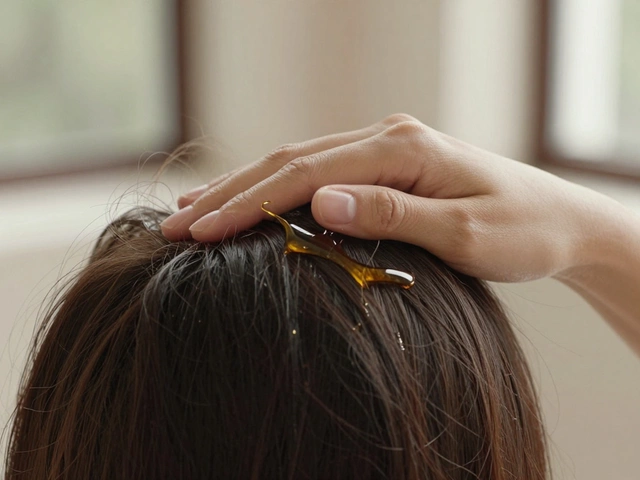
Step 2: Clean your scalp, not just your hair. Most shampoos are designed to strip oils, not nourish follicles. Switch to a sulfate-free, gentle cleanser. Twice a week, massage your scalp with a few drops of rosemary oil diluted in jojoba oil. A 2015 study found rosemary oil as effective as minoxidil (the active ingredient in Rogaine) for promoting hair growth, with fewer side effects. Don’t skip the massage-5 minutes a day increases blood flow to follicles, which delivers oxygen and nutrients.
Step 3: Stop the damage. Heat tools, tight ponytails, and chemical treatments all weaken hair over time. If you’ve been blow-drying daily or coloring your hair every six weeks, give it a break. Let your hair air-dry at least twice a week. Use a silk pillowcase-it reduces friction and prevents breakage while you sleep. And never brush wet hair. It’s at its weakest when wet. Use a wide-tooth comb instead.
What Doesn’t Work (And Why You Should Avoid It)
There’s a lot of noise out there. You’ve seen the ads: “Grow thicker hair in 7 days!” or “This vitamin makes hair grow like crazy!” Most of it is either placebo or misleading.
Biotech hair serums with fancy names? They often contain the same ingredients as a $10 bottle of rosemary oil. You’re paying for branding, not better science.
Supplements with 50 different vitamins? If you’re already eating well, you’re probably getting enough. Too much biotin can even cause breakouts or mess with thyroid tests. Only take supplements if a blood test shows a deficiency.
And don’t fall for “hair growth” shampoos that claim to “activate follicles.” Follicles don’t need activation-they need to be healthy. If they’re blocked by silicones or buildup, no shampoo will wake them up. You need to clean them first.
How Long Until You See Results?
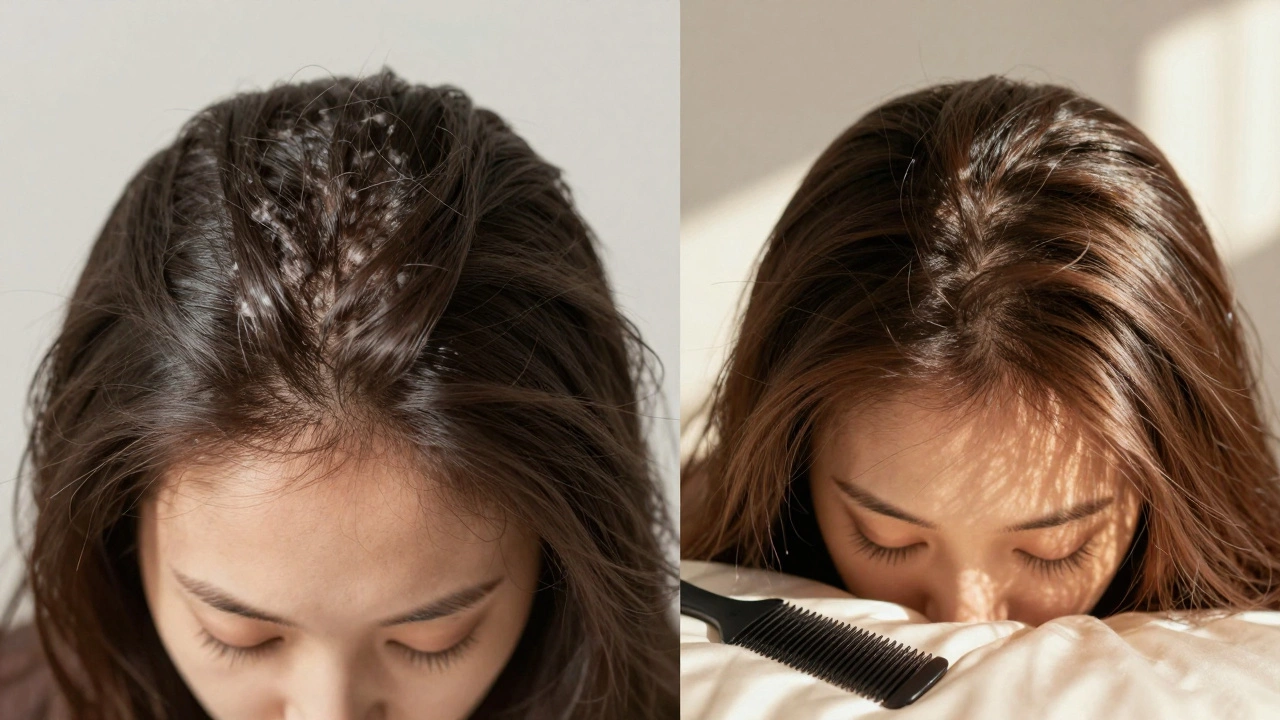
Hair grows about half an inch a month. That means if you start today, you’ll see new growth in 6-8 weeks. But thickness? That takes time. You’re not just growing new strands-you’re strengthening the ones already there. Most people notice a difference in 3-4 months. Full recovery? 6-12 months. It’s not fast. But it’s lasting.
Track your progress. Take a photo of your part every two weeks. Notice if your ponytail feels fuller. Check if less hair comes out when you wash it. Small changes add up.
When to See a Professional
If you’ve tried the basics for 6 months and see no improvement, it’s time to see a dermatologist. Some conditions-like thyroid disorders, polycystic ovary syndrome (PCOS), or alopecia areata-need medical treatment. A simple blood test can rule out hormonal or nutritional issues. Don’t wait. The sooner you address the root cause, the faster your hair can recover.
And if you’re considering prescription treatments like minoxidil or finasteride, talk to a doctor first. They’re effective, but they’re not for everyone. Especially if you’re planning to get pregnant, or if you have other health conditions.

Real-Life Example: What Worked for a Wellington Woman
Lisa, 38, noticed her hair thinning after her divorce. She was sleeping poorly, eating takeout, and using a sulfate shampoo daily. She started with three changes: she added two eggs and a handful of spinach to her breakfast, switched to a rosemary-oil scalp treatment twice a week, and stopped using heat tools on weekends. After 4 months, her part was narrower. By 8 months, her ponytail was visibly fuller. She didn’t use any expensive products. Just consistency.
That’s the pattern. Not magic. Just habits.
Quick Checklist for Hair Thickness Recovery
- Get 70-90g of protein daily
- Take 1000 IU of vitamin D daily (especially April-September in NZ)
- Use a sulfate-free shampoo
- Massage scalp with rosemary + jojoba oil 2x/week
- Avoid heat tools 3+ days/week
- Switch to silk pillowcase
- Don’t brush wet hair
- Track progress with photos every 2 weeks
Can hair thickness come back after menopause?
Yes, but it takes longer. Hormonal shifts during menopause reduce estrogen, which can make hair finer and more brittle. The good news? Nutrition and scalp care still work. Adding biotin-rich foods (like nuts and sweet potatoes), using rosemary oil, and managing stress can help restore thickness. Some women also benefit from low-dose hormone therapy under medical supervision. Don’t assume it’s permanent-your hair can bounce back with the right support.
Does cutting hair make it thicker?
No. Cutting hair only removes split ends-it doesn’t affect the follicle or make strands grow thicker. But it can make your hair look fuller by eliminating damaged, thinning ends. Think of it like tidying a bush: trimming the frayed tips makes the whole thing look healthier, even if it’s not growing faster.
Can stress-induced hair loss be reversed?
Absolutely. Stress-related shedding, called telogen effluvium, is temporary. Once stress levels drop, hair follicles return to their normal cycle. It usually takes 3-6 months after the stressor ends for hair to regrow. Focus on sleep, hydration, and protein. Your hair will follow.
Are there any foods that directly help hair thickness?
Yes. Eggs (for protein and biotin), oysters (zinc), spinach (iron and folate), salmon (omega-3s), and almonds (vitamin E) are top choices. These nutrients support keratin production, reduce inflammation, and strengthen the hair shaft. Eat them consistently-not as a one-time fix, but as part of your daily routine.
Can I use essential oils if I have sensitive skin?
Yes, but always dilute them. Rosemary and peppermint oils are strong. Mix 2-3 drops with 1 tablespoon of jojoba or coconut oil before applying. Do a patch test on your inner arm first. If no redness or itching shows up in 24 hours, it’s safe for your scalp. Never apply undiluted essential oils directly to skin.