Hair Health & Routine Builder
Step 1: The Strand Test
Take a wet strand of hair and gently stretch it. Select what happens:
Step 2: Hair Characteristics
Complete the diagnostic on the left to get your personalized plan.
Have you ever looked in the mirror, run your fingers through your locks, and felt that familiar pang of disappointment? Your hair feels dry, looks dull, or snaps off at the ends no matter how much expensive conditioner you pile on. It’s frustrating because we’re told hair is dead tissue-you can’t really “fix” it once it grows out of your head. But here is the truth that most glossy magazines skip over: healthy hair isn’t about magic potions. It’s about biology, mechanics, and consistency.
Getting really healthy hair means shifting your focus from the strands you already have to the factory producing them: your scalp. If you want strong, shiny, resilient hair in 2026, you need to treat your scalp like facial skin and your hair shaft like a delicate fabric that needs specific handling. This guide cuts through the noise of trending TikTok hacks and focuses on what dermatologists and trichologists actually recommend for long-term hair health.
Quick Summary: What Actually Works?
- Scalp First: A clean, balanced scalp microbiome is the foundation of hair growth. Treat it like your face.
- Protein-Moisture Balance: Too much protein makes hair brittle; too little makes it mushy. Find your middle ground.
- Mechanical Damage Control: How you brush, dry, and style causes more breakage than chemicals do.
- Nutrition Matters: You cannot grow healthy hair on an empty tank. Iron, protein, and omega-3s are non-negotiable.
- Consistency Over Intensity: Gentle daily habits beat occasional deep treatments every time.
The Scalp Is Not Just Skin Deep
We often forget that the scalp is an extension of our facial skin, but with one major difference: it has hair follicles. If your scalp is clogged, inflamed, or dehydrated, your hair will suffer. Think of your scalp as soil and your hair as the plant. No amount of fertilizer (conditioner) will help if the soil is toxic.
In Wellington, where the wind can be relentless and the humidity shifts drastically, maintaining scalp barrier integrity is crucial. Many people over-wash their scalps with harsh sulfates, stripping away natural sebum. This triggers a rebound effect where your scalp produces even more oil, leading to greasy roots and dry ends. Instead, aim for gentle cleansing. Look for shampoos with mild surfactants like Cocamidopropyl Betaine is a mild, zwitterionic surfactant that cleanses without stripping natural oils.
If you experience flaking, don’t immediately assume dandruff. It could be seborrheic dermatitis, psoriasis, or simple dryness. For general maintenance, incorporating a scalp scrub once a week helps remove product buildup and dead skin cells. Ingredients like salicylic acid or tea tree oil can help keep the follicle environment clear. Remember, a healthy scalp should not itch, burn, or feel tight after washing.
Understanding the Protein-Moisture Balance
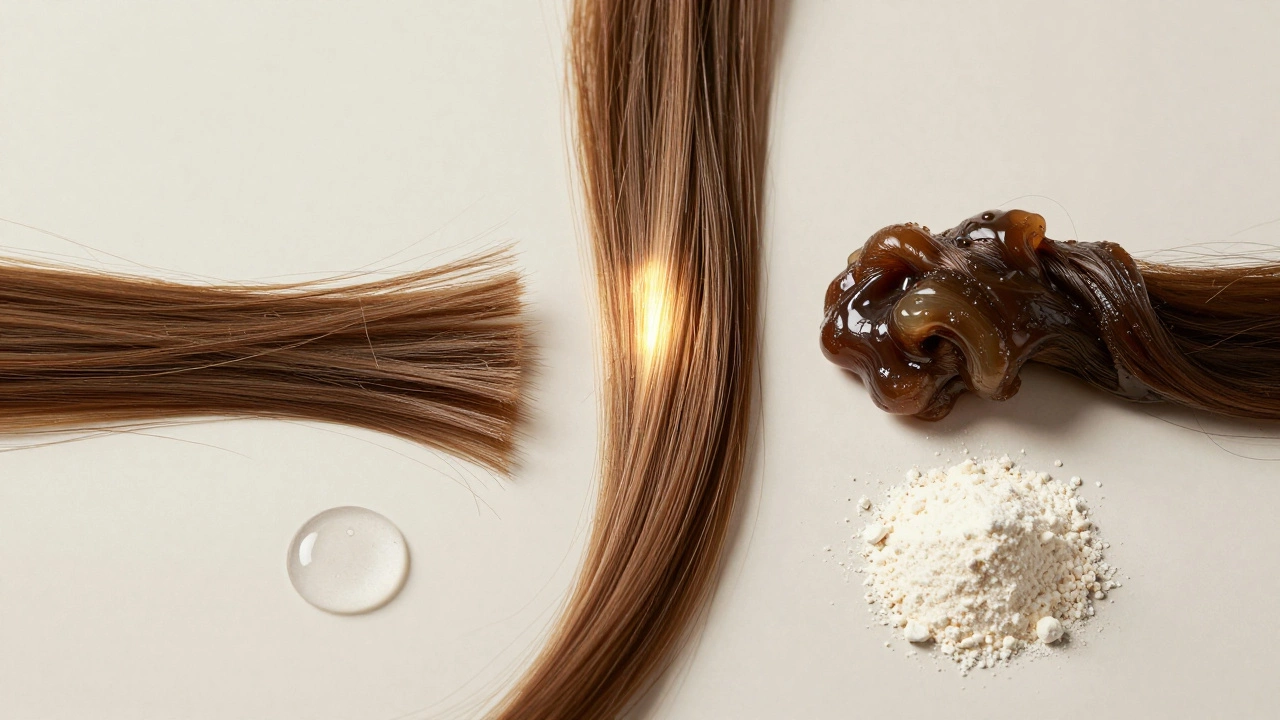
This is the single most misunderstood concept in hair care. Every strand of hair is made primarily of keratin, a structural protein. However, hair also needs water to remain flexible. When these two elements are out of whack, problems arise.
- Too Much Protein: Your hair becomes stiff, brittle, and snaps easily. It feels straw-like.
- Too Much Moisture: Your hair becomes limp, overly stretchy, and lacks definition. It feels gummy when wet.
To find your balance, perform a simple strand test. Take a wet hair strand and gently stretch it. If it stretches slightly and returns to its original length, you’re balanced. If it stretches significantly and doesn’t return, you need protein. If it breaks immediately with little stretch, you need moisture.
For most people, a weekly protein treatment followed by a hydrating mask works well. However, if you have fine hair, you might only need protein once a month. Coarse or chemically treated hair may benefit from bi-weekly protein applications. Products containing hydrolyzed wheat protein or silk amino acids are excellent choices because they are small enough to penetrate the hair shaft rather than just sitting on top.
Stop the Mechanical Damage
You can buy the most expensive serum in the world, but if you are destroying your hair mechanically, it won’t matter. Mechanical damage accounts for up to 50% of all hair breakage. This includes how you brush, dry, and tie your hair.
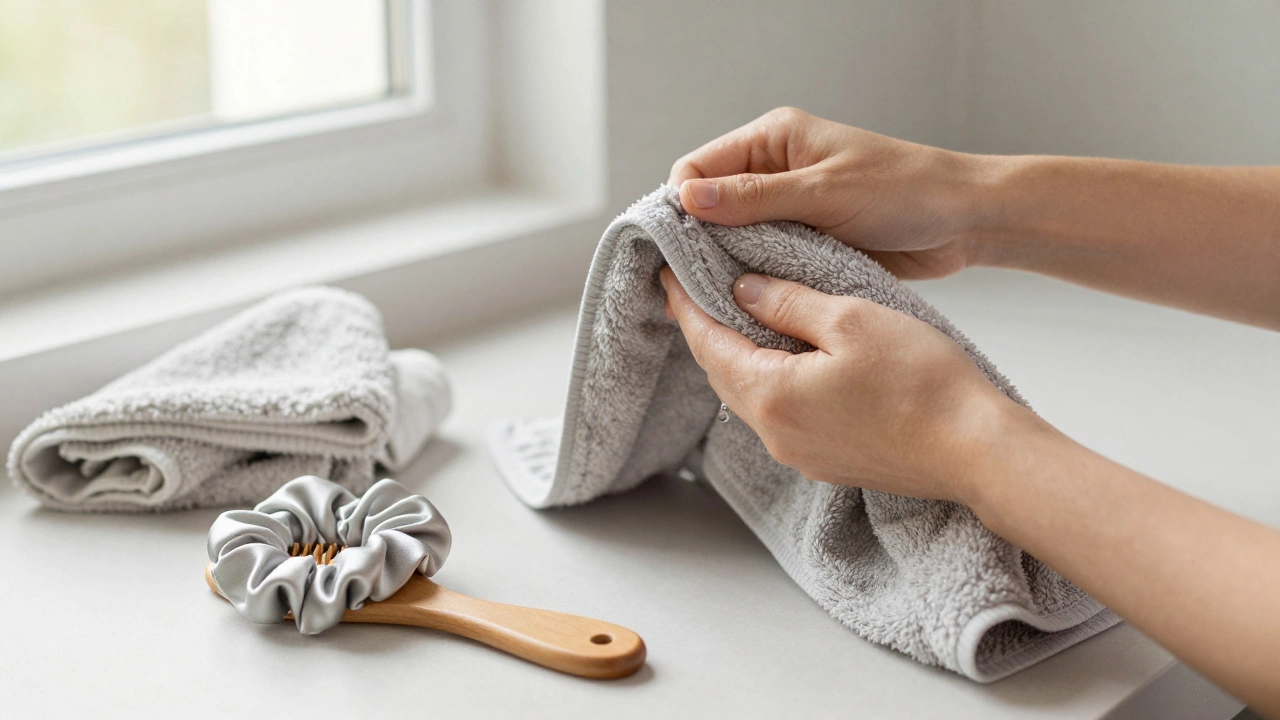
First, ditch the cotton t-shirt towel. Cotton fibers create friction that roughs up the cuticle, leading to frizz and breakage. Switch to a microfiber towel or an old cotton t-shirt (the smooth kind). Squeeze out water-never rub. Rubbing is the enemy.
Second, rethink your brushing. Never brush wet hair with a standard bristle brush. Wet hair is in its most vulnerable state because the hydrogen bonds in the keratin are broken by water. Use a wide-tooth comb or a detangling brush designed for wet hair, starting from the ends and working your way up to the roots. This prevents pulling tension directly on the follicle.
Third, look at your ponytails. Tight hairstyles cause traction alopecia, a form of hair loss caused by constant pulling. If you must wear your hair up, use spiral hair ties or scrunchies instead of elastic bands with metal clips. Vary your parting line regularly to avoid stressing the same follicles day after day.
Heat Styling: To Heat or Not to Heat?
We love the sleek look of straightened hair or the volume of blow-dried curls, but heat above 140°C (284°F) begins to damage the hair’s internal structure. At 150°C, the water inside the hair boils, creating steam bubbles that explode within the shaft, leaving permanent holes. This is why heat-damaged hair looks porous and dull.
If you must use heat, follow these rules:
- Always use a heat protectant. These products coat the hair shaft with polymers that reflect heat and reduce moisture loss. Look for ingredients like dimethicone or cyclomethicone.
- Lower the temperature. Fine hair needs less heat (around 150°C) than coarse hair (up to 180°C). You rarely need the highest setting.
- Move constantly. Never hold a flat iron or curling wand in one spot for more than five seconds.
- Invest in quality tools. Ceramic or tourmaline plates distribute heat evenly, reducing hot spots that can scorch your hair.
Consider air-drying whenever possible. If you have curly or wavy hair, try the "plopping" method with a t-shirt to encourage natural pattern formation without heat. Embracing your natural texture is the ultimate hack for healthy hair.
Nutrition: Building Hair from the Inside Out
Your hair is composed of dead cells, but the root is very much alive and dependent on your bloodstream for nutrients. If you are deficient in key vitamins and minerals, your body will prioritize vital organs over hair growth, leading to thinning or shedding.
| Nutrient | Function | Food Sources |
|---|---|---|
| Protein | Builds keratin structure | Eggs, lean meats, legumes, quinoa |
| Iron | Delivers oxygen to follicles | Spinach, red meat, lentils, fortified cereals |
| Omega-3 Fatty Acids | Moisturizes scalp and reduces inflammation | Salmon, walnuts, chia seeds, flaxseeds |
| Biotin (Vitamin B7) | Supports keratin production | Egg yolks, almonds, sweet potatoes |
| Vitamin D | Creates new follicles | Sunlight, fatty fish, fortified milk |
Iron deficiency is particularly common among women and is a leading cause of telogen effluvium (excessive shedding). If you feel fatigued and notice increased hair fall, ask your doctor for a ferritin blood test. Supplementation should always be guided by medical advice, as too much iron can be harmful.
Hydration is also key. While drinking water alone won’t fix dry hair, dehydration affects the entire body, including the skin and scalp. Aim for at least 2 liters of water daily, adjusting for activity level and climate.
When to See a Professional
Some hair issues are beyond the reach of home remedies. If you experience sudden patchy hair loss, severe itching, bleeding, or pus-filled bumps on the scalp, see a dermatologist immediately. These could be signs of fungal infections, autoimmune conditions like alopecia areata, or hormonal imbalances such as thyroid disorders or PCOS.
Regular trims are also essential. Split ends do not heal; they only travel up the shaft if left uncut. Getting a trim every 8-12 weeks removes damaged ends and prevents further breakage. Don’t fear cutting your hair-it’s the best investment for long-term length retention.
Building Your Personalized Routine
There is no one-size-fits-all routine. Your hair type, texture, and lifestyle dictate what works best. Here is a sample framework to adapt:
- Wash Day: Cleanse scalp gently, condition mid-lengths to ends. Use a leave-in conditioner if your hair is dry.
- Between Washes: Refresh with water or a light mist. Avoid heavy styling products that build up.
- Nighttime: Sleep on a silk or satin pillowcase to reduce friction. Braid hair loosely if it tends to tangle.
- Weekly: Apply a deep conditioning mask or protein treatment based on your balance needs.
Patience is critical. Hair grows about 1.25 cm per month. Changes you make today will take three to six months to become visible at the ends. Stick with your routine, listen to your hair, and adjust as needed. Healthy hair is a marathon, not a sprint.
How often should I wash my hair for optimal health?
It depends on your hair type and scalp oiliness. Oily scalps may need washing every other day, while dry or curly hair types can go 3-4 days between washes. Over-washing strips natural oils, leading to dryness and irritation. Listen to your scalp-if it feels tight or itchy, you might be washing too much.
Does cutting hair make it grow faster?
No, cutting hair does not affect the growth rate from the follicle. However, regular trims remove split ends, preventing breakage that makes hair appear shorter. By retaining length better, your hair seems to grow longer over time.
Are hair supplements worth taking?
Only if you have a diagnosed deficiency. For most people, a balanced diet provides enough nutrients. Excessive biotin can interfere with lab tests, including thyroid and heart markers. Consult a healthcare provider before starting any supplement regimen.
Why is my hair breaking off near the roots?
Breakage near the roots often indicates mechanical stress from tight hairstyles, aggressive brushing, or chemical damage. It can also signal a weak hair shaft due to protein deficiency or excessive heat exposure. Evaluate your styling habits and consider a protein treatment.
Can stress really cause hair loss?
Yes. High stress pushes hair follicles into the resting phase (telogen), causing them to shed 2-3 months later. This is called telogen effluvium. Managing stress through sleep, exercise, and mindfulness can help prevent this type of temporary hair loss.