Victoria’s Secret is one of the most recognizable names in lingerie and beauty, but if you care about animal welfare, you might be asking: Is Victoria’s Secret cruelty-free? The short answer is no. And here’s why that matters - and what you can do instead.
Victoria’s Secret Doesn’t Test on Animals, But They Still Sell in China
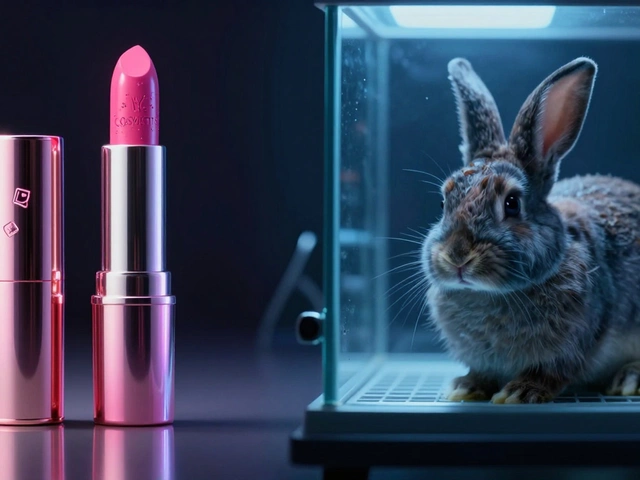
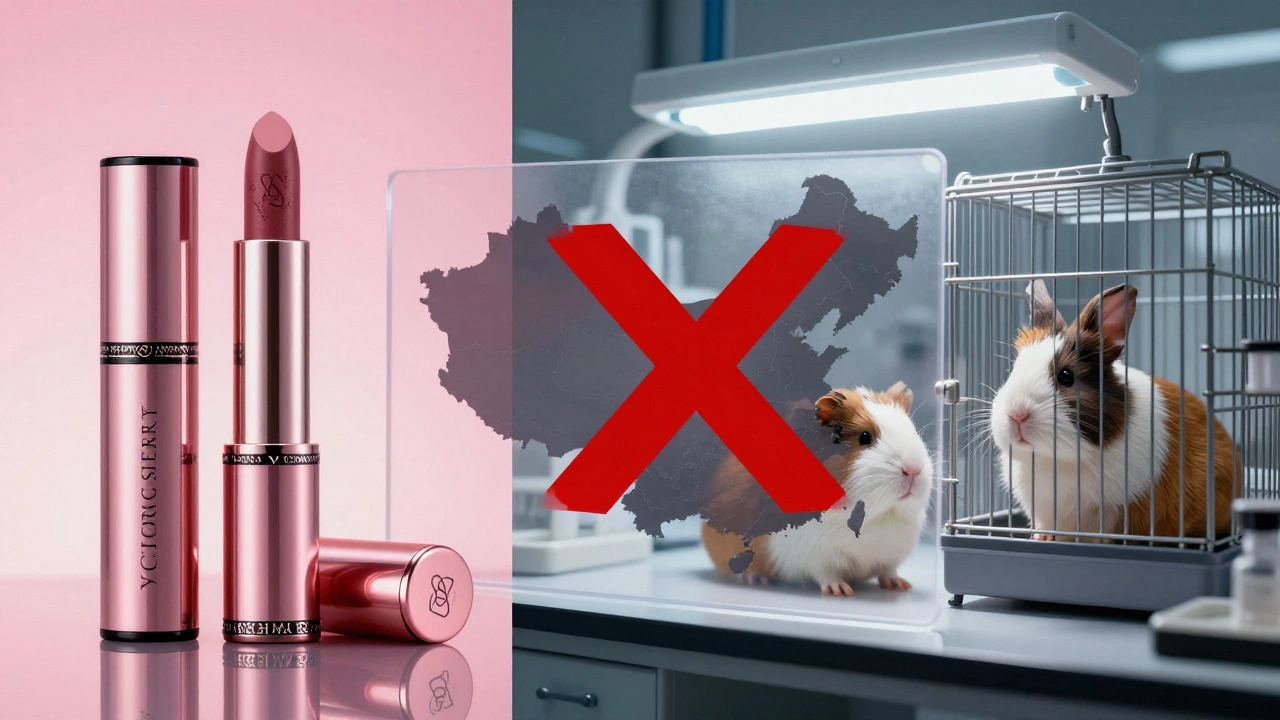
Victoria’s Secret claims they don’t test their products on animals. That sounds good, right? But there’s a major catch. They sell their products in mainland China, where the government requires animal testing for all imported cosmetics. That means even if Victoria’s Secret doesn’t test in their own labs, they allow third parties - usually government labs - to test their products on animals just to meet Chinese regulations.
This isn’t a loophole. It’s a standard practice for brands that want access to China’s $100 billion beauty market. The country doesn’t make exceptions for companies that claim to be cruelty-free. If your product is sold there, it’s being tested on rabbits, mice, or guinea pigs - no matter what your marketing says.
Victoria’s Secret has never publicly committed to stopping sales in China, even though they’ve made efforts to reduce animal testing elsewhere. That’s why major cruelty-free organizations like PETA and Leaping Bunny still list them as not cruelty-free.
What Does "Cruelty-Free" Really Mean?
Many people think "cruelty-free" just means the brand doesn’t test on animals themselves. But that’s not enough. True cruelty-free means:
- No animal testing at any stage - by the brand, its suppliers, or third parties
- No selling in markets that require animal testing (like mainland China)
- No animal-derived ingredients (though some brands use this term differently)
Victoria’s Secret passes the first point - they don’t conduct tests themselves. But they fail the second. And that’s why they’re not certified by any major cruelty-free organization.
Brands like Fenty Beauty, Kat Von D Beauty, and Milk Makeup are certified by Leaping Bunny. That certification means they’ve been audited and confirmed to have no animal testing anywhere in their supply chain - even if they’re sold globally. Victoria’s Secret doesn’t have that certification. And they don’t even claim to be seeking it.
What Products Are We Talking About?
You might think Victoria’s Secret is just a lingerie brand. But they’ve had a full beauty line since 2013. Their cosmetics include:
- Lipsticks and lip glosses
- Foundations and concealers
- Eyeshadow palettes
- Mascara and eyeliner
- Blush and bronzer
- Body lotions and fragrances
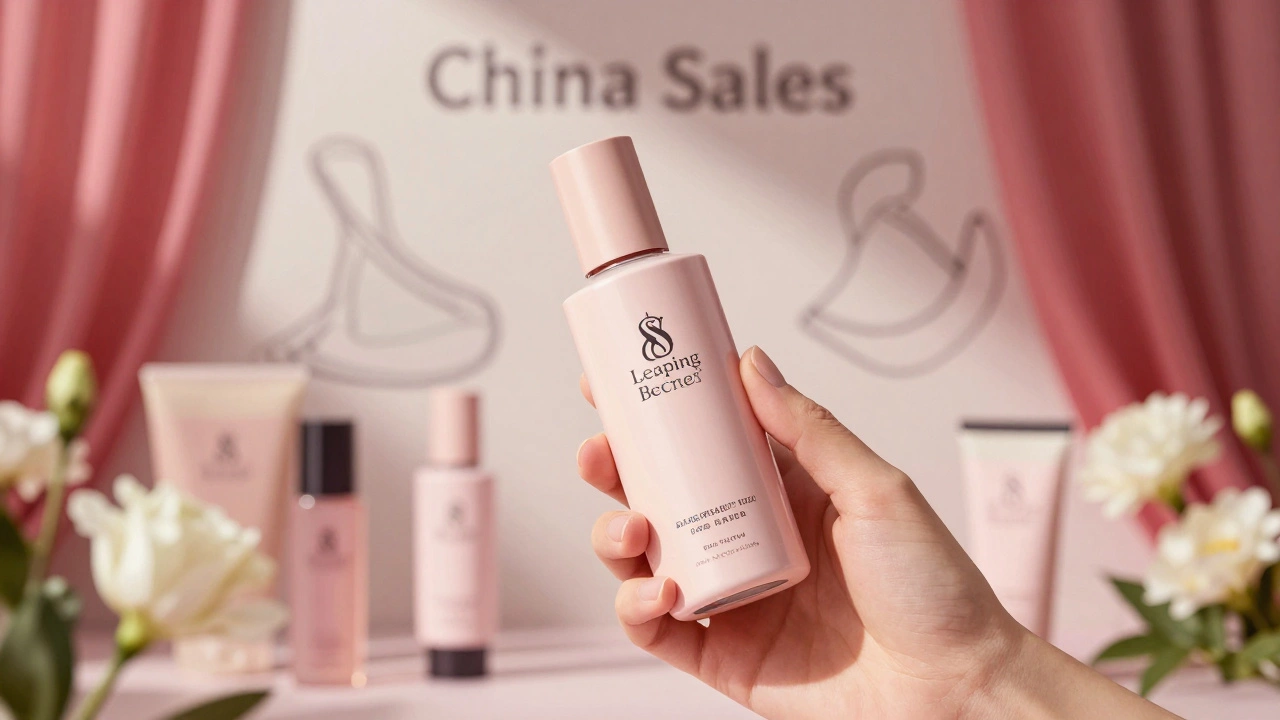
All of these are subject to China’s animal testing laws if sold there. And yes - they’re sold there. You can find Victoria’s Secret Beauty products on Chinese e-commerce platforms like Tmall and JD.com. That’s not a rumor. It’s public record.
Even their fragrances - which many assume are "just scent" - fall under cosmetic regulations in China. So yes, those "Angels" scents? Tested on animals.
Why Does This Even Matter?
Some people say, "If the brand doesn’t test directly, why should I care?" But animal testing isn’t just about who holds the pipette. It’s about the system. When a brand chooses to sell in China, they’re funding and enabling a system that causes pain to animals. Rabbits are forced to have chemicals rubbed into their eyes. Mice are given lethal doses to see how long they survive. These aren’t isolated incidents - they’re routine.
And here’s the thing: China has started relaxing its rules. Since 2021, some domestically produced cosmetics no longer need animal testing. But imported products? Still required. That means foreign brands like Victoria’s Secret are stuck in an outdated, cruel system.
Many brands - like Lush, The Body Shop, and Dr. Hauschka - have chosen to stay out of China to protect their cruelty-free status. They’ve lost sales. But they’ve kept their integrity. Victoria’s Secret chose profit over principle.
What Are the Alternatives?
If you love Victoria’s Secret’s aesthetic - the soft pinks, the glossy finishes, the feminine scents - there are cruelty-free brands that feel just as luxurious:
- Rare Beauty by Selena Gomez - vegan, cruelty-free, and made with inclusivity in mind
- Too Faced - bold packaging, playful formulas, and Leaping Bunny certified
- Dr. Hauschka - natural ingredients, elegant scents, and no animal testing anywhere
- Herbivore Botanicals - clean, minimalist, and totally cruelty-free
- Ilia Beauty - clean makeup with a luxe feel, perfect for everyday wear
All of these are certified by Leaping Bunny or PETA. That means you can trust them. No hidden testing. No sales in China. No compromises.
Can Victoria’s Secret Become Cruelty-Free?
Technically, yes. They could stop selling in China. They could get certified. They could update their website to be transparent about their supply chain.
But they haven’t. And they haven’t shown any signs of changing. Their last public statement on the topic was in 2020 - and it avoided the China issue entirely. In 2025, they still list "no animal testing" as a selling point on their U.S. site - without mentioning the loophole.
That’s not just misleading. It’s dishonest.
Consumers are catching on. Sales of Victoria’s Secret Beauty have dropped 22% since 2022, according to industry reports. Younger shoppers - especially Gen Z - are voting with their wallets. They’re choosing brands that align with their values. And cruelty-free isn’t a trend. It’s a standard.
What You Can Do
If you’ve been buying Victoria’s Secret Beauty because you liked the packaging or the scent - consider switching. You won’t miss the quality. In fact, you’ll likely find better formulas with cleaner ingredients.
Here’s what to do next:
- Check your current products - look for "Made in China" on the packaging. If it’s there, it may have been tested on animals.
- Look for the Leaping Bunny logo or PETA’s bunny logo on the box.
- Visit the Leaping Bunny website and search for certified brands - they have a searchable database.
- Call or message Victoria’s Secret customer service and ask: "Will you stop selling in China to become truly cruelty-free?"
Consumer pressure works. Brands change when they lose money. But they only change when enough people speak up.
Is Victoria’s Secret cruelty-free in 2026?
No, Victoria’s Secret is not cruelty-free in 2026. While they don’t test on animals themselves, they sell their products in mainland China, where the government requires animal testing for all imported cosmetics. This disqualifies them from being considered truly cruelty-free by any major certification body, including Leaping Bunny and PETA.
Does Victoria’s Secret use animal-derived ingredients?
Victoria’s Secret doesn’t claim to be vegan, and many of their products contain animal-derived ingredients like beeswax, lanolin, and carmine. Their focus has always been on fragrance and aesthetics rather than clean or vegan formulas. If you’re looking for vegan and cruelty-free options, brands like Rare Beauty or Herbivore Botanicals are better choices.
Can I trust Victoria’s Secret’s "no animal testing" claim?
You can trust that Victoria’s Secret doesn’t test in their own labs - but you can’t trust that their products are free from animal testing. Because they sell in China, third-party labs there test their products on animals. Their claim is technically true but intentionally misleading. True cruelty-free brands are transparent about their global sales policies.
Which makeup brands are truly cruelty-free and sold in China?
No international brand that sells in mainland China can be truly cruelty-free, because Chinese law requires animal testing for imported cosmetics. However, some brands like Lush and The Body Shop have stopped selling in China to maintain their cruelty-free status. In contrast, some Chinese brands like Perfect Diary and Florasis are cruelty-free and don’t export - so they avoid the testing requirement altogether.
How can I verify if a brand is cruelty-free?
Look for certifications like Leaping Bunny or PETA’s Beauty Without Bunnies logo. These organizations audit brands and require proof of no animal testing anywhere in the supply chain - including suppliers and third-party testers. Don’t rely on vague claims like "we don’t test on animals" - check for third-party certification. You can also search the Leaping Bunny database at leapingbunny.org.