Hair Extension Risk & Cost Calculator
Use this tool to estimate the true yearly investment and potential risks before booking your appointment.
Fill out the form to see your personalized analysis.
You see the glossy Instagram photos and think, "I want that volume." It’s tempting. But before you book that appointment for hair extensions, let's talk about what happens after the initial excitement fades. Most people focus on the length and thickness they gain, ignoring the physical toll these additions take on your natural strands. The reality is that extensions aren't just an accessory; they are a significant commitment that can lead to breakage, financial drain, and scalp issues if you aren't prepared.
The Physical Toll on Your Natural Hair
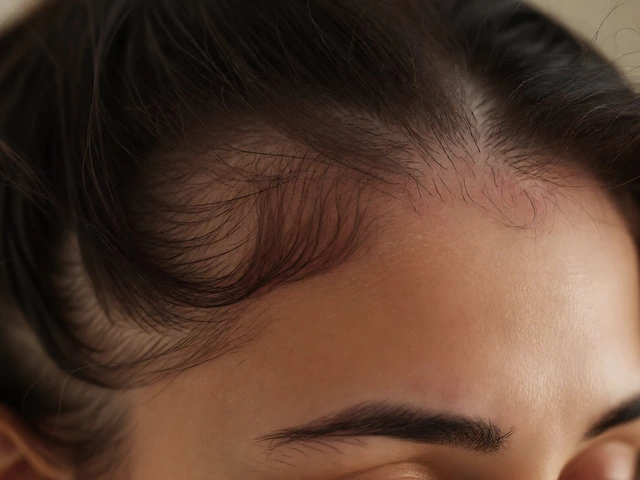
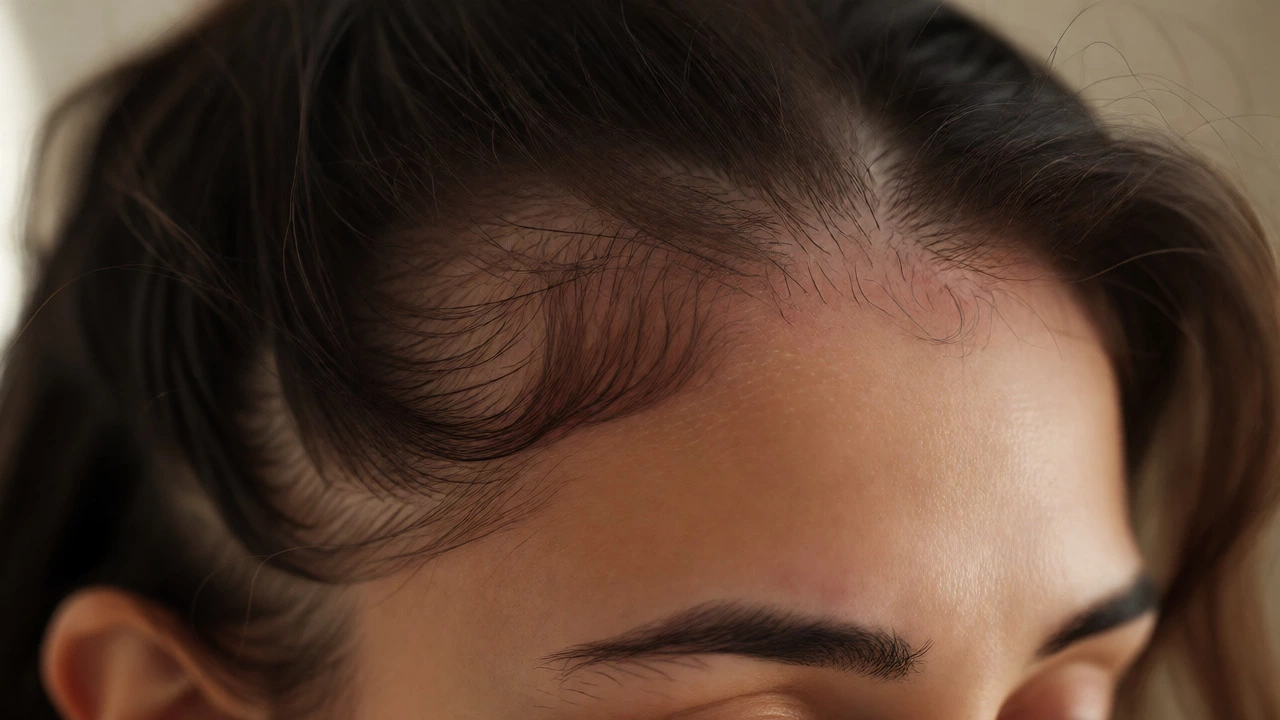
Here is the hard truth: your hair has a weight limit. When you add synthetic or human hair extensions, you increase the load on every single follicle. This extra weight pulls at the root, especially if you wear them for months without breaks. Over time, this constant tension causes traction alopecia, a type of hair loss caused by pulling force. Unlike genetic balding, this damage often starts along the hairline and temples, areas where the skin is thinner and more sensitive.
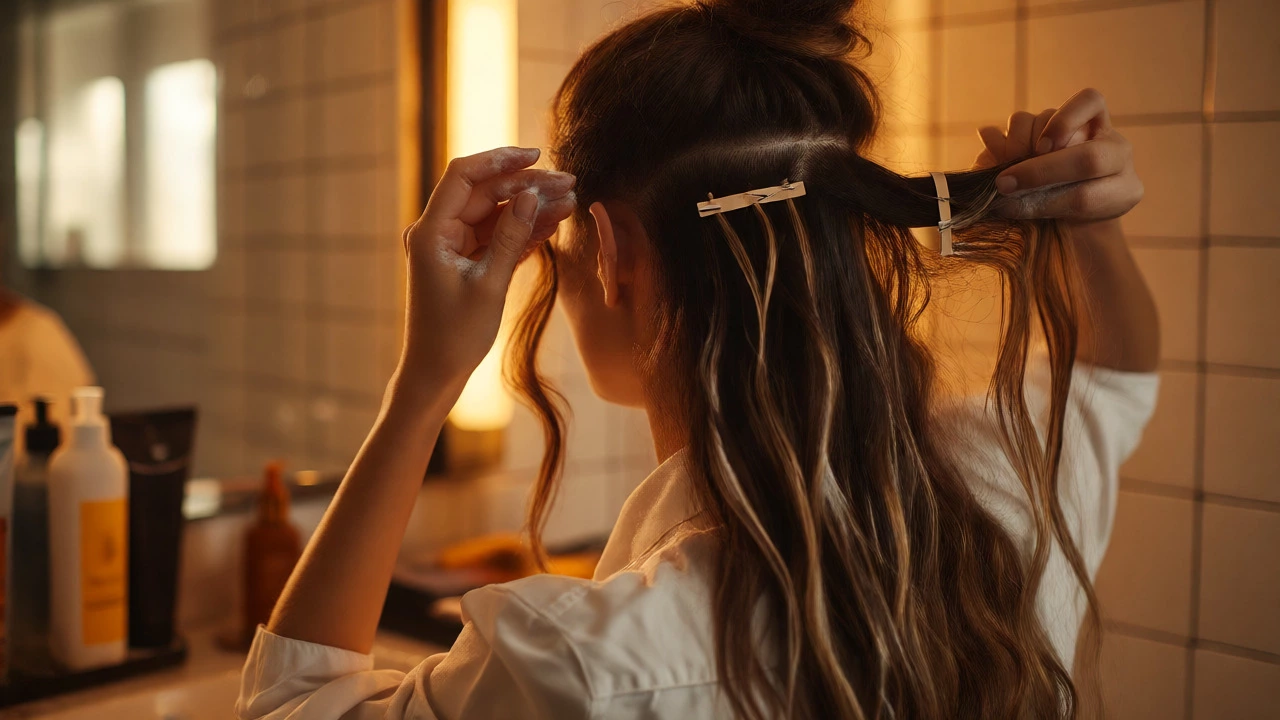
Beyond weight, consider how the extensions attach. Methods like tape-ins, keratin bonds, or micro-links require adhesives or hardware that grip your natural hair tightly. Removing them isn't always gentle. If a stylist uses too much heat to melt a bond or pulls too hard on a clip-in, you risk snapping your own hair. Many clients report finding clumps of their natural hair in the brush days after removal, a clear sign that the attachment method was too aggressive for their hair texture.
Maintenance Is More Work Than You Think
Think your current wash routine is annoying? Multiply it by three. With extensions, you cannot just throw your head under the shower and scrub. You have to be meticulous. Shampooing requires tilting your head back to avoid tangling the bonds or tapes. Conditioner must stay strictly away from the roots to prevent slippage. Drying takes twice as long because the added density traps moisture near the scalp, creating a damp environment that breeds bacteria if not dried thoroughly.
- Washing Frequency: You might need to wash less often to protect bonds, but when you do, it takes 45 minutes instead of 10.
- Styling Restrictions: High-heat tools near the attachment points can melt glue or weaken threads, limiting your styling options.
- Sleep Challenges: Sleeping with extensions requires braiding or silk pillowcases to prevent morning tangles, which can pull out entire wefts.
If you skip maintenance appointments, the gap between your natural growth and the extension attachment becomes noticeable. That visible line isn't just aesthetically unpleasing; it puts uneven stress on the hair shaft. Neglecting these adjustments turns a luxury look into a maintenance nightmare.
The Financial Reality Check
Let’s talk money. The sticker price you see for installation is rarely the final cost. Human hair extensions are expensive upfront, ranging from $300 to over $1,000 depending on quality and length. But that’s just the entry fee. Because natural hair grows, you need "move-up" appointments every six to eight weeks. These sessions typically cost $50 to $150 each. Add in specialized sulfate-free shampoos, detangling sprays, and conditioners designed specifically for extensions, and the monthly upkeep adds up quickly.
| Expense Category | Low Estimate (USD) | High Estimate (USD) |
|---|---|---|
| Initial Installation | $400 | $1,200 |
| Move-Up Appointments (6x/year) | $300 | $900 |
| Specialized Products | $150 | $400 |
| Total Yearly Investment | $850 | $2,500 |
Is it worth it? For some, yes. But if you view extensions as a one-time purchase rather than a recurring subscription service, you’ll likely feel the pinch by month four.
Scalp Health and Hygiene Issues
Your scalp needs to breathe. Extensions create a barrier that can trap sweat, sebum, and product buildup against the skin. This occlusion creates a perfect breeding ground for dandruff and fungal infections. If you have an oily scalp, you might find yourself washing more frequently, which accelerates the wear and tear on the extension bonds. Conversely, if you wash less to save the bonds, you risk itchiness and odor.
Some individuals experience allergic reactions to the adhesives used in tape-in or fusion methods. Symptoms include redness, burning sensations, or small bumps around the attachment sites. While rare, contact dermatitis can make wearing extensions uncomfortable enough to warrant early removal. Always ask your stylist for a patch test if you have sensitive skin or known allergies to latex or specific glues.
Limited Styling Versatility
You might assume extensions give you infinite styling freedom, but they actually impose strict rules. You cannot tie your hair into a tight high ponytail without exposing the attachment points. Braids can pull on the bonds, causing pain or loosening. Updos become complex puzzles where hiding the tracks or clips requires skill and practice.
Furthermore, coloring your hair while wearing extensions is risky. If you dye your natural hair, the color may not match the pre-colored extensions perfectly. If you try to tone the extensions themselves, the chemicals can degrade the protein structure of human hair or discolor synthetic fibers. Most stylists advise against major color changes during the life of the extensions, locking you into a specific shade for months.

Quality Variance and Ethical Concerns
Not all hair is created equal. The market is flooded with "virgin hair," but true virgin hair-meaning never chemically processed-is scarce and expensive. Much of what is sold as high-quality human hair has been stripped of its cuticle and coated with silicone to mimic shine. After a few washes, that coating washes off, leaving the hair dry, frizzy, and tangled. This phenomenon, known as "matting," ruins the look and forces premature replacement.
Ethically, sourcing human hair can be murky. Some supply chains involve exploitation, where donors are paid very little for their hair. If ethical consumption matters to you, research brands that provide transparency about their sourcing practices. Synthetic alternatives avoid this ethical dilemma but lack the natural movement and heat resistance of real hair, making them less versatile for everyday wear.
When Extensions Are Not Worth It
Who should steer clear? If you have thinning hair or fine strands, the weight of extensions might accelerate your hair loss. If you have a busy lifestyle that prevents regular salon visits, the growing-out phase will look unkempt. And if you hate spending time on hair care routines, the daily maintenance will frustrate you more than the results please you.
Extensions offer instant gratification, but they demand respect for your biology and budget. Weigh the pros against these cons honestly. Sometimes, investing in scalp treatments and vitamins yields healthier, fuller-looking natural hair without the hassle of attachments.
Do hair extensions cause permanent hair loss?
Not necessarily. Temporary shedding is common due to increased brushing and manipulation. However, prolonged tension from tight installations can lead to traction alopecia, which may become permanent if the follicles are damaged over several years. Proper installation and timely removal usually prevent permanent loss.
How long do hair extensions last before needing replacement?
This depends on the method. Clip-ins last years with proper care. Tape-ins typically last 6-8 weeks before needing reapplication. Fusion or keratin-bonded extensions can last 3-4 months. Micro-links also last around 3 months. Regular maintenance appointments are crucial to extend their lifespan.
Can I swim with hair extensions?
Yes, but with caution. Chlorine and saltwater can dry out both natural and extension hair, leading to tangling and bond degradation. Rinse hair immediately after swimming and use a leave-in conditioner. Braiding hair before entering the pool helps minimize friction and tangling.
Are synthetic hair extensions a better option?
Synthetic extensions are cheaper and hold styles well, but they cannot withstand high heat (unless labeled heat-friendly) and often look less natural. They are great for temporary events or cosplay but generally lack the longevity and versatility of human hair for daily wear.
What is the best way to sleep with extensions?
Braid your hair loosely or put it in a low ponytail before bed. Use a silk or satin pillowcase to reduce friction. This prevents tangles and reduces pulling on the attachment points, extending the life of your extensions and protecting your natural hair.