Cosmetic Brand Matchmaker & Quiz
Compare Top 5 Industry Leaders
L'Oréal
Everyday & Variety
$ - $$Estée Lauder
Prestige & Luxury
$$$ - $$$$Unilever
Daily Hygiene
$Shiseido
Tech & Texture
$$ - $$$Coty
Trendy & Ethical
$ - $$Clear
Reset View
-1. Which company is known as the "Undisputed King" with the largest global market share?
2. Which brand group owns MAC Cosmetics, Clinique, and La Mer?
3. If you are looking for advanced sunscreen technology and texture-focused makeup, which group should you explore?
4. NYX Professional Makeup and Max Factor are owned by which conglomerate?
5. Which group is best suited for basic daily hygiene and gentle, affordable skincare like Dove?
Quiz Completed!
You scored: 0/5
You walk into a store or scroll through an online retailer, and you are hit with a wall of logos. Some are familiar giants; others are niche players trying to steal your heart. It’s overwhelming, right? You just want good products that don’t break the bank or your skin barrier. But when people ask for the "best," they usually mean the biggest, most reliable names that have stood the test of time. We aren't talking about fleeting TikTok trends here. We are looking at the heavy hitters-the cosmetic brands that define the industry, drive innovation, and set the standard for quality.
Why does size matter? Because scale allows for research. The top five brands we’re discussing today invest billions in R&D. They have labs dedicated to making sure their foundation doesn’t oxidize orange on your face or that their mascara doesn’t flake off by lunchtime. If you are looking for reliability, global availability, and proven formulas, these are the titans you need to know. Let’s break down who they are, what makes them tick, and why they remain on top in 2026.
The Undisputed King: L’Oréal Group
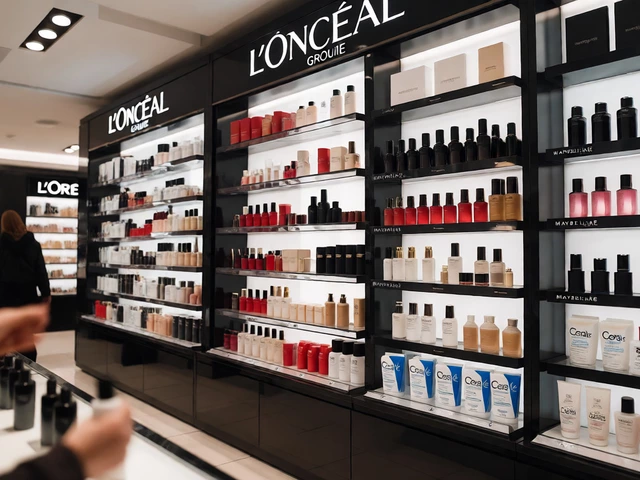
If there is one name that dominates the shelves from drugstores to high-end counters, it is L’Oréal. As the world's largest cosmetics company, it holds a massive share of the global market. Headquartered in Clichy, France, this conglomerate isn't just one brand; it is a portfolio. When you buy a shampoo at Walmart or a serum at Sephora, there is a good chance L’Oréal owns the parent company behind it.
What makes L’Oréal so powerful? It’s their multi-brand strategy. They segment the market perfectly. For everyday essentials, you have Garnier and Maybelline New York, which offer accessible, trendy products at affordable price points. Step up to the mass-prestige tier, and you find Lancôme and Yves Saint Laurent Beauty. These brands deliver luxury experiences without the ultra-luxury markup. Then, for clinical skincare, they own CeraVe and Vichy, which dermatologists actually recommend.
Their strength lies in distribution. You can find L’Oréal products almost anywhere on the planet. This ubiquity means if you run out of your favorite concealer in Paris, Tokyo, or New York, you can replace it instantly. For consumers, this reliability is priceless. You aren't gambling on a new startup that might go bankrupt next month. You are buying into a system that has refined its supply chain over decades.
The Prestige Powerhouse: Estée Lauder Companies
While L’Oréal wins on volume, Estée Lauder Companies wins on prestige. Based in New York City, this family-owned giant controls some of the most aspirational names in beauty. Think of MAC Cosmetics, known for its professional-grade color range, or La Mer, the cult-favorite moisturizer that costs more than many people’s rent.
Estée Lauder focuses heavily on the premium sector. Their marketing screams luxury, elegance, and exclusivity. When you buy a bottle of Jo Malone London fragrance, you aren't just buying scent; you are buying into a British heritage story. Similarly, Tom Ford Beauty offers sleek, minimalist packaging that looks expensive sitting on your vanity.
Why choose them? Quality consistency. Their formulations are often richer and more complex than mass-market alternatives. If you have sensitive skin or specific anti-aging concerns, the higher concentration of active ingredients in brands like Clinique (another Estée Lauder subsidiary) can make a real difference. They also lead in sustainability initiatives within the luxury space, pushing for refillable compacts and recyclable glass bottles. If budget isn't your primary constraint, this is where you look for long-term skin health and status.
The Science-First Leader: Unilever Beauty & Personal Care
You might not think of Unilever as a "beauty" company first. You probably associate them with soap and laundry detergent. But their beauty division is a stealth giant. They own Dove, which revolutionized the idea of cleansing without stripping moisture. They also own Pond’s and Sunsilk.
Unilever’s superpower is affordability combined with scientific backing. Dove, for instance, was one of the first major brands to launch a "Real Beauty" campaign, shifting the industry focus from airbrushed perfection to inclusive representation. Today, their skincare lines focus on barrier repair and hydration using accessible ingredients like hyaluronic acid and niacinamide. You won’t find fancy gold flakes in a Dove jar, but you will find effective, no-nonsense formulas that work for millions of people daily.
For the average consumer, Unilever brands represent the safest bet for daily maintenance. They are gentle, widely tested, and rarely cause irritation. If you are building a basic routine-cleanse, moisturize, protect-Unilever provides the foundational steps without the pretension. Plus, their global reach ensures that even in remote areas, you can likely find a bar of Dove soap or a bottle of Sunsilk shampoo.
The Color Specialist: Shiseido Company
Hailing from Japan, Shiseido brings a unique perspective to the global stage. Founded in 1872, it is one of the oldest cosmetic companies in the world. While Western brands often focus on covering flaws, Shiseido emphasizes enhancing natural features and protecting skin from environmental stressors, particularly UV radiation.
Their flagship brand, Shiseido, is renowned for its advanced sunscreen technology. Products like the Ultimate Sun Protector Lotion are lightweight, leave no white cast, and provide broad-spectrum protection that feels invisible. This matters because consistent sun protection is the number one anti-aging step you can take.
Beyond skincare, Shiseido owns NARS Cosmetics and Clé de Peau Beauté. NARS appeals to those who love bold, artistic makeup with high pigmentation. Clé de Peau targets the ultra-luxury market with sophisticated skincare-makeup hybrids. Shiseido’s approach is meticulous. They use Japanese precision engineering in their product development, ensuring that textures are silky and applications are seamless. If you value texture and finish over dramatic coverage, Shiseido’s portfolio is worth exploring.
The Ethical Challenger: Coty Inc.
Rounding out our top five is Coty Inc.. Often overshadowed by its larger rivals, Coty has carved out a significant niche by focusing on fragrances and mass-market color cosmetics. They own Max Factor, Rimmel London, and NYX Professional Makeup.
Coty’s rise is tied to the democratization of beauty. NYX, in particular, became famous for offering professional-quality tools and colors at drugstore prices. This allowed aspiring artists and casual users alike to experiment with trends without financial risk. Coty also holds licenses for major fashion houses like Gucci and Burberry for their perfume lines, bridging the gap between fashion and beauty.
What sets Coty apart now is its pivot toward sustainability and clean beauty. They have been aggressive in reducing plastic waste and sourcing ethical ingredients. For consumers who care about the environmental footprint of their purchases but still want trendy, affordable options, Coty’s brands strike a compelling balance. They prove that you don’t need to spend a fortune to get stylish, ethically conscious products.
How to Choose Between These Giants
Knowing the top brands is half the battle. Choosing the right one depends on your personal needs. Are you prioritizing cost, luxury, science, or ethics? Here is a quick breakdown to help you decide.
| Brand Group | Best For | Price Range | Key Strength | Notable Subsidiaries |
|---|---|---|---|---|
| L’Oréal | Everyday essentials & wide variety | $ - $$ | Global availability & R&D depth | Garnier, Maybelline, Lancôme, CeraVe |
| Estée Lauder | Luxury skincare & prestige makeup | $$$ - $$$$ | High-end formulation & brand heritage | MAC, Clinique, La Mer, Jo Malone |
| Unilever | Daily hygiene & basic skincare | $ | Affordability & gentle formulas | Dove, Pond’s, Sunsilk |
| Shiseido | Sun protection & texture-focused makeup | $$ - $$$ | Advanced tech & Asian beauty philosophy | NARS, Clé de Peau, Shiseido Skincare |
| Coty | Trendy makeup & fragrances | $ - $$ | Accessibility & ethical sourcing | NYX, Max Factor, Rimmel, Gucci Perfume |
Notice how each group serves a different "job." If you need a reliable cleanser and moisturizer that won’t irritate your skin, start with Unilever or L’Oréal’s dermatological lines. If you want a statement lip color for a night out, check out Coty’s NYX or Estée Lauder’s MAC. If you are serious about preventing wrinkles, Shiseido’s sunscreens or Estée Lauder’s serums are your best bets.
The Future of Big Beauty
The landscape is changing. Even these giants are adapting to new demands. Consumers in 2026 are smarter. They read ingredient lists. They check for cruelty-free certifications. They demand transparency. All five of these companies are responding. L’Oréal has committed to becoming carbon neutral across all sites. Estée Lauder is investing heavily in biotech ingredients. Unilever is phasing out single-use plastics in packaging.
This shift means that sticking with big brands doesn’t necessarily mean compromising on values anymore. In fact, large companies have the resources to implement sustainable practices faster than small startups. When L’Oréal changes its packaging standards, it impacts millions of units globally. That kind of scale creates real environmental change.
So, next time you are standing in the aisle, confused by the choices, remember these five pillars. They aren't just selling products; they are shaping the industry. By supporting them, you are participating in a cycle of innovation, accessibility, and evolving standards. Pick the brand that aligns with your wallet and your values. Your skin-and your conscience-will thank you.
Which cosmetic brand is the biggest in the world?
L’Oréal Group is consistently ranked as the largest cosmetics company in the world by revenue. It owns a vast portfolio of brands ranging from mass-market staples like Garnier and Maybelline to luxury labels like Lancôme and Yves Saint Laurent Beauty.
Are big cosmetic brands better than small indie brands?
Not necessarily "better," but they are often more reliable and researched. Big brands have huge budgets for safety testing and clinical trials, ensuring consistent quality. Indie brands may offer more niche or innovative ingredients but can lack the rigorous testing infrastructure of larger corporations.
Which brand is best for sensitive skin?
Brands under the L’Oréal umbrella, such as CeraVe and Vichy, are highly recommended by dermatologists for sensitive skin due to their simple, barrier-repairing formulations. Unilever’s Dove line is also a strong choice for gentle daily cleansing.
Do top cosmetic brands use cruelty-free practices?
It varies by brand. Many subsidiaries of large groups are now Leaping Bunny certified or PETA-approved. For example, NYX (owned by Coty) is fully cruelty-free. However, some luxury brands may still sell in markets requiring animal testing, so always check the specific brand's policy rather than assuming the parent company's stance applies universally.
Why are French brands dominant in the top list?
France has a long history of luxury goods manufacturing and chemical expertise. Companies like L’Oréal and LVMH (which owns Dior Beauty and Guerlain) benefit from this heritage, strong regulatory frameworks, and a cultural emphasis on skincare as a daily ritual rather than just makeup application.