27 Hair Match & Care Quiz
Not sure if the vibrant "27" golden blonde is right for you? Answer these three quick questions to get a personalized recommendation and care routine.
Your 27 Hair Profile
Note: Always check colors in natural daylight.
Personalized Care Routine
You’re scrolling through an online store or walking into a beauty supply shop, and you see it: 27 hair. It’s bright, it’s bold, and it screams summer vibes. But what exactly does that number mean? Is it a brand? A chemical treatment? A specific cut? If you’ve ever stared at a color chart wondering if "27" refers to length, texture, or some secret code, you’re not alone. The truth is simpler than you might think, but knowing how to handle this specific shade can save your hair (and your wallet) from serious damage.
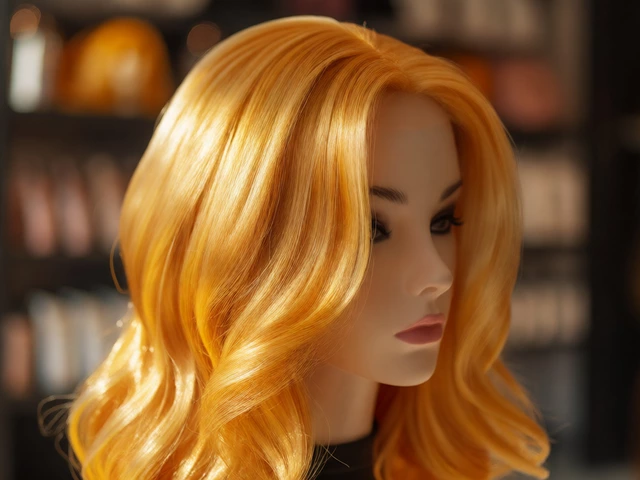
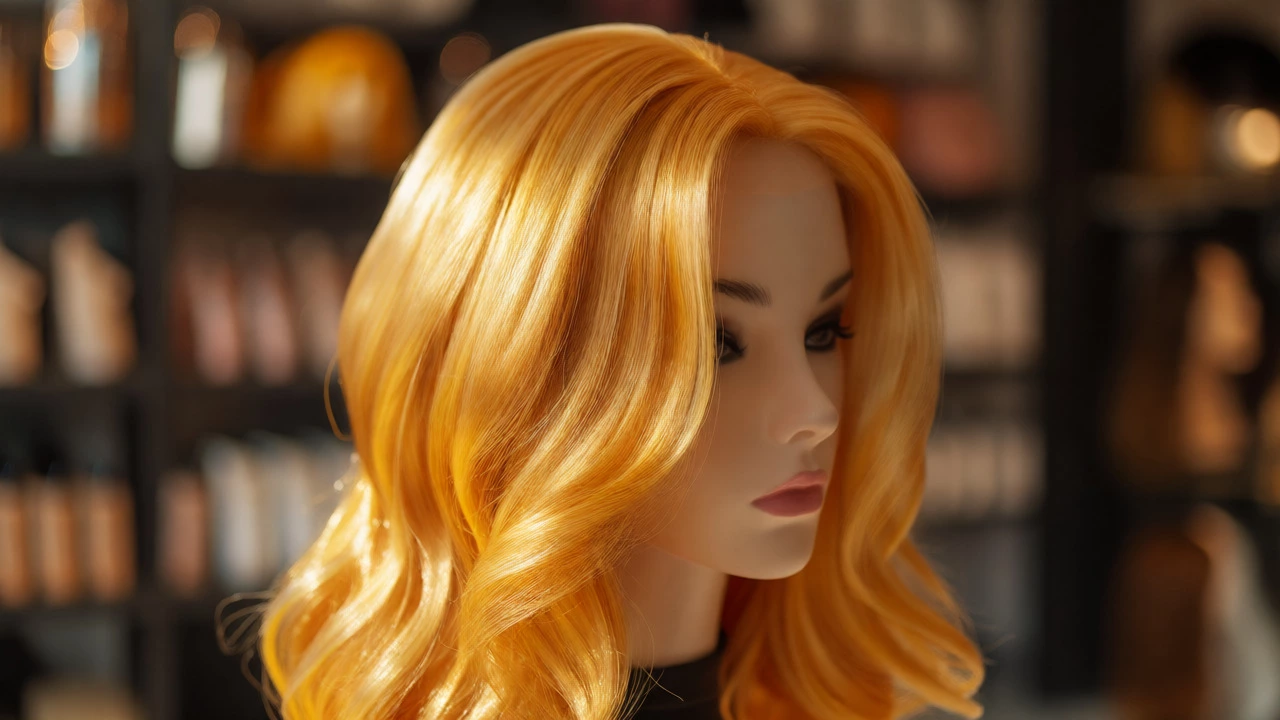
Here’s the deal: 27 isn’t about the material of the hair itself-it’s about the color. Specifically, it’s a vibrant golden blonde tone in the standard synthetic and human hair color coding system used by manufacturers worldwide. Whether you are buying a lace front wig, bundles for braids, or clip-in extensions, understanding the "27" designation helps you match tones, avoid brassy mishaps, and keep that sunny glow looking fresh rather than fried.
Decoding the Color Chart: What Does 27 Actually Look Like?
In the world of hair manufacturing, numbers replace names because they are universal. While one brand might call a shade "Sunset Gold," another calls it "Honey Blonde," but if it’s coded as 27, it looks roughly the same across the board. This system originated with major synthetic fiber producers like Kanekalon and has been adopted by most human hair vendors to maintain consistency.
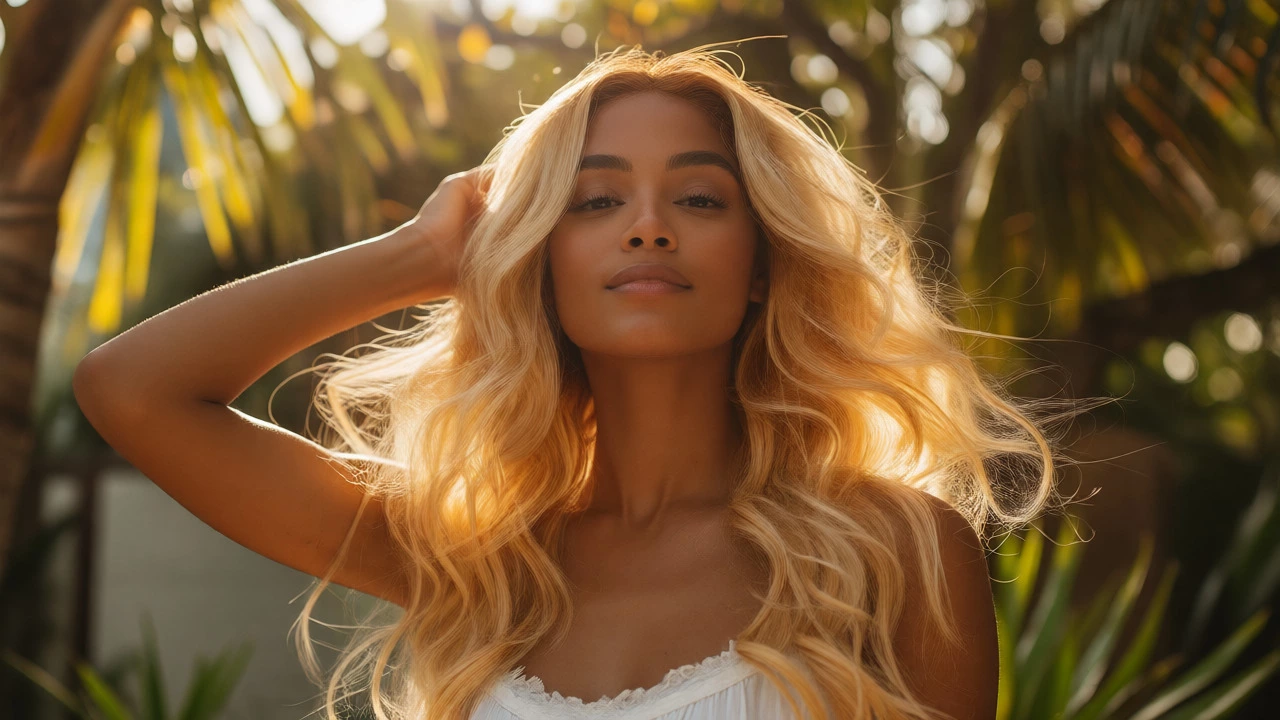
So, what does 27 look like? Imagine the color of sun-bleached wheat or a deep honey gold. It is significantly darker than the icy platinum blondes (usually coded as 613 or 99J) but much brighter than natural browns (coded as 1B). It sits comfortably in the middle of the blonde spectrum. Unlike cool-toned blondes that lean towards silver or ash, 27 has warm, yellow-orange undertones. This makes it incredibly flattering on medium to deep skin tones, providing a high-contrast, glowing effect that mimics natural sun-kissed highlights.
It’s crucial to distinguish 27 from its neighbors. For instance, 613 is a pale, almost white blonde that requires heavy toning to prevent it from looking chalky. 30 is often a slightly more muted, beige-gold version of 27. If you mix them up, you might end up with a two-tone situation that looks unintentional rather than stylish. Knowing the exact hue helps you buy pre-colored units that match your existing hair or blend seamlessly with other wefts.
Synthetic vs. Human Hair: The Material Matters
When people ask "what is 27 hair," they often conflate the color with the fiber type. You can get 27 in both synthetic and human hair, but the care requirements are night and day. Most affordable 27 units you find in local beauty supply stores are made from heat-resistant synthetic fibers like Kanekalon or Toyokalon. These fibers are engineered to hold curls and waves permanently without styling products.
Kanekalon is a flame-retardant synthetic fiber widely used in braiding hair and wigs due to its softness and ability to mimic human hair texture. When dyed to a 27 shade, it maintains a consistent, uniform color throughout the strand. Because the dye is embedded during the manufacturing process, synthetic 27 hair doesn’t fade easily from washing, but it can dull over time due to product buildup.
Human hair 27, on the other hand, is real keratin that has been bleached and toned. This means it behaves like your own hair. It can be restyled, curled with hot tools, and even re-dyed. However, achieving that specific 27 golden tone in human hair usually involves lifting dark pigments out of the strand, which strips moisture. Consequently, human hair 27 units require a rigorous hydration routine to prevent brittleness. If you’re planning to wear 27 human hair for more than six months, budget for professional coloring touch-ups, as the bleach will eventually oxidize and turn brassy orange.
The Brass Factor: Why Your 27 Hair Turns Orange
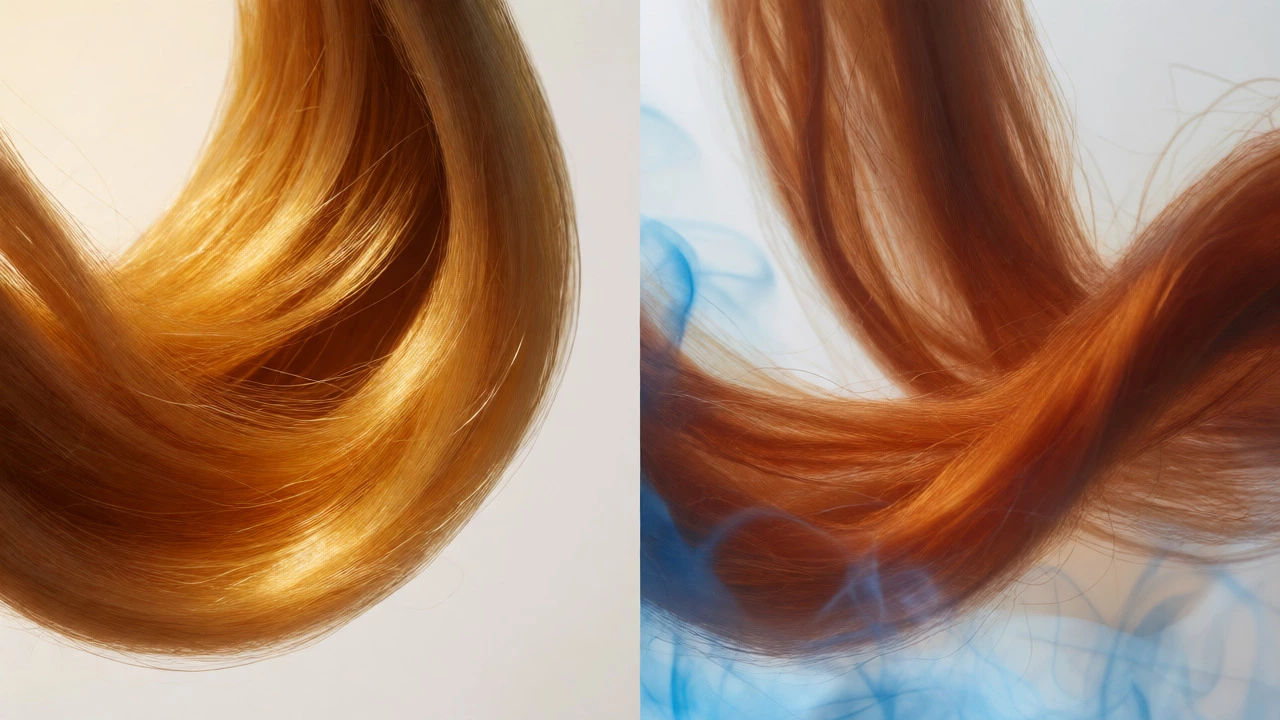
Let’s talk about the elephant in the room: brassiness. Since 27 is inherently a warm, golden shade, it is already close to the orange spectrum. Over time, exposure to sunlight, chlorine, and hard water can strip the remaining yellow pigments, leaving behind raw orange or copper tones. This is especially common in human hair units where the color was achieved via bleaching.
Think of it like painting a wall. You applied a layer of gold paint over a primer. Eventually, the top coat wears thin, and the underlying base shows through. In hair, that base is the natural red-orange pigment left after bleaching. To combat this, you need to neutralize the warmth. But here’s the trick: you don’t want to go full purple shampoo territory unless you want lavender-tinted locks. Purple shampoos are designed to cancel out yellow, turning hair silvery-white. If you use a strong purple shampoo on 27 hair, you risk muddying that beautiful golden tone into a grayish-brown mess.
Instead, opt for blue-based toners or specialized blonde maintenance shampoos that are formulated to deposit subtle cooling agents without stripping the gold entirely. Blue cancels out orange. By using a blue-infused conditioner once every four washes, you can keep the 27 shade looking rich and metallic rather than rusty.
Care Routine for Long-Lasting Shine
Maintaining 27 hair-whether synthetic or human-is all about moisture management and gentle handling. Here is a straightforward routine that keeps those golden strands looking expensive.
- Washing Frequency: Synthetic hair only needs washing every 2-3 weeks, while human hair should be washed weekly or bi-weekly depending on scalp oil production. Over-washing strips necessary oils; under-washing leads to buildup that dulls the shine.
- Water Temperature: Always use lukewarm water. Hot water opens the hair cuticle, leading to frizz and color fading. Cold water seals the cuticle, locking in shine.
- Detangling Technique: Start from the ends and work your way up to the roots. Use a wide-tooth comb. Never brush wet synthetic hair aggressively, as it can snap when wet.
- Drying Method: Pat dry with a microfiber towel. Avoid rubbing, which causes friction and frizz. Air drying is best for preserving the integrity of the color molecules.
For synthetic 27 wigs, avoid alcohol-based styling products. Alcohol dries out the plastic fibers, making them brittle and prone to tangling. Instead, use silicone-free sprays designed specifically for synthetic fibers. These add slip and shine without weighing the hair down or creating a sticky residue that attracts dust.
Styling Tips: Making 27 Work for Your Skin Tone
Not everyone pulls off golden blonde effortlessly. The key is contrast. 27 hair pops against deeper complexions because the yellow-gold reflects light differently than melanin-rich skin. If you have fair, cool-toned skin, 27 might wash you out, making you look sallow. In that case, mixing 27 with cooler shades like 613 or adding face-framing highlights in an ash tone can balance the warmth.
One pro tip from my experience working with clients in Wellington: lighting matters. Natural daylight reveals the true undertone of 27 hair. Under artificial yellow indoor lighting, 27 can look muddy or overly orange. If you are testing a wig, step outside. If the color looks too harsh, try blending it with a 30 or a caramel brown (4/27 ombre) to soften the transition.
| Color Code | Description | Best For | Maintenance Level |
|---|---|---|---|
| 27 | Vibrant Golden Blonde | Medium to Deep Skin Tones | Moderate (Needs anti-brass care) |
| 613 | Pale Platinum/Icy Blonde | Fair Skin Tones | High (Prone to yellowing) |
| 30 | Beige/Honey Blonde | Neutral Skin Tones | Low (More forgiving) |
| 1B/27 | Rooted Blonde Ombre | Natural Look Transition | Low (Grow-out friendly) |
Troubleshooting Common Issues
Even with the best care, things go wrong. If your 27 hair feels dry and straw-like, it’s likely suffering from protein overload or lack of moisture. Synthetic hair can’t absorb conditioners like human hair, so if it feels rough, it’s probably coated in product buildup. Clarify it with a diluted apple cider vinegar rinse (1 part vinegar to 3 parts water) to strip the gunk, then follow with a lightweight silicone spray.
If your human hair 27 unit has turned distinctively orange, do not panic and reach for bleach. Bleach will lift the remaining pigment and make it worse. Instead, use a semi-permanent blue gloss or a direct dye in a violet-blue shade. Apply it for only 5-10 minutes. Check frequently. You want to neutralize the orange, not dye the hair purple.
Another common issue is tangling at the nape of the neck. This happens due to friction from collars and scarves. To prevent this, apply a leave-in detangler to the lower sections of the hair before putting on a jacket. For synthetic wigs, consider wearing a satin bonnet at night to reduce friction while you sleep.
Is 27 Hair Right for You?
Choosing a hair color is personal, but there are practical considerations. If you live in a sunny climate or enjoy outdoor activities, remember that UV rays accelerate color fading. 27 will lose its vibrancy faster than darker shades. If you aren’t ready to commit to monthly toning sessions, stick to synthetic options, which resist UV fading better than chemically processed human hair.
Also, consider your lifestyle. 27 is a high-maintenance color aesthetically. It draws attention. If you prefer a low-key look, a rooted 27 (dark roots fading into blonde) offers the style with less upkeep regarding root regrowth. This style allows for a more natural grow-out phase, meaning you won’t need to visit the salon every four weeks to fix visible roots.
Ultimately, 27 hair is a statement piece. It’s playful, energetic, and undeniably eye-catching. Whether you choose synthetic for convenience or human hair for versatility, understanding the science behind the color ensures you keep it looking intentional rather than accidental. Treat it with respect, protect it from harsh elements, and you’ll enjoy that golden glow for months to come.
Can I dye 27 synthetic hair?
Generally, no. Standard hair dyes do not penetrate synthetic fibers like Kanekalon. The color is baked in during manufacturing. Attempting to dye synthetic hair usually results in the dye sliding off or staining unevenly. If you want a different color, it is best to buy a new unit or use fabric dyes specifically designed for synthetics, though results vary.
How do I remove brassiness from 27 human hair?
Use a blue-based toner or shampoo rather than purple. Purple cancels yellow, which can make 27 look dull or gray. Blue cancels orange, which is the primary cause of brassiness in golden blondes. Apply the blue product for a short duration (5-10 minutes) to neutralize the orange tones without stripping the golden base completely.
Does 27 hair suit all skin tones?
27 hair is most flattering on medium to deep skin tones because the warm golden tones create a striking contrast against richer melanin levels. On very fair, cool-toned skin, 27 can sometimes appear too harsh or yellow. If you have fair skin, consider mixing 27 with cooler tones like 613 or opting for a beige blonde (30) for a softer look.
How long does a 27 synthetic wig last?
With proper care, a good quality 27 synthetic wig can last between 3 to 6 months of daily wear. Factors that shorten lifespan include excessive heat styling (even on heat-resistant fibers), friction from sleeping without a bonnet, and product buildup. Washing gently and storing properly on a mannequin head extends longevity.
What is the difference between 27 and 613 hair?
The main difference is the tone and depth. 27 is a warm, golden blonde with yellow-orange undertones. 613 is a pale, icy platinum blonde with cool, silver-yellow undertones. 613 is lighter and requires more maintenance to prevent yellowing, while 27 is warmer and tends to show brassiness (orange) as it fades.