Cosmetic Ingredient Decoder
Copy the text from the back of a bottle (usually starting with Aqua/Water or Glycerin).
Top 5 Base Ingredients
Product Analysis
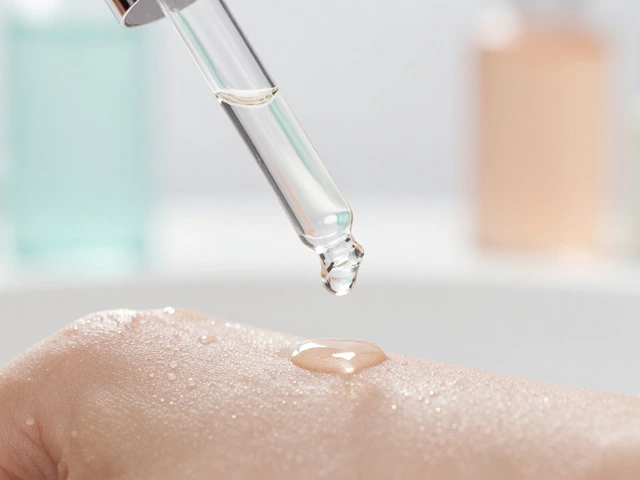
Grab any bottle of lotion, serum, or cleanser from your bathroom cabinet. Flip it over. Look at the ingredient list, usually printed in tiny font near the barcode. What’s the very first thing you see? If you guessed water, you’re right. In the world of cosmetics, Aqua (or Water) is the most commonly used ingredient globally, serving as the primary solvent and base for the vast majority of cosmetic formulations. It appears in roughly 80% to 90% of all personal care products.
It seems almost too simple to be true. We spend hundreds of dollars on "luxury" creams and "advanced" serums, only to find out that the main component is plain old H2O. But understanding why water is king-and what comes next on the list-is crucial for anyone who wants to make smart choices about what they put on their skin. It’s not just about hydration; it’s about stability, texture, and safety.
The Dominance of Aqua in Formulations
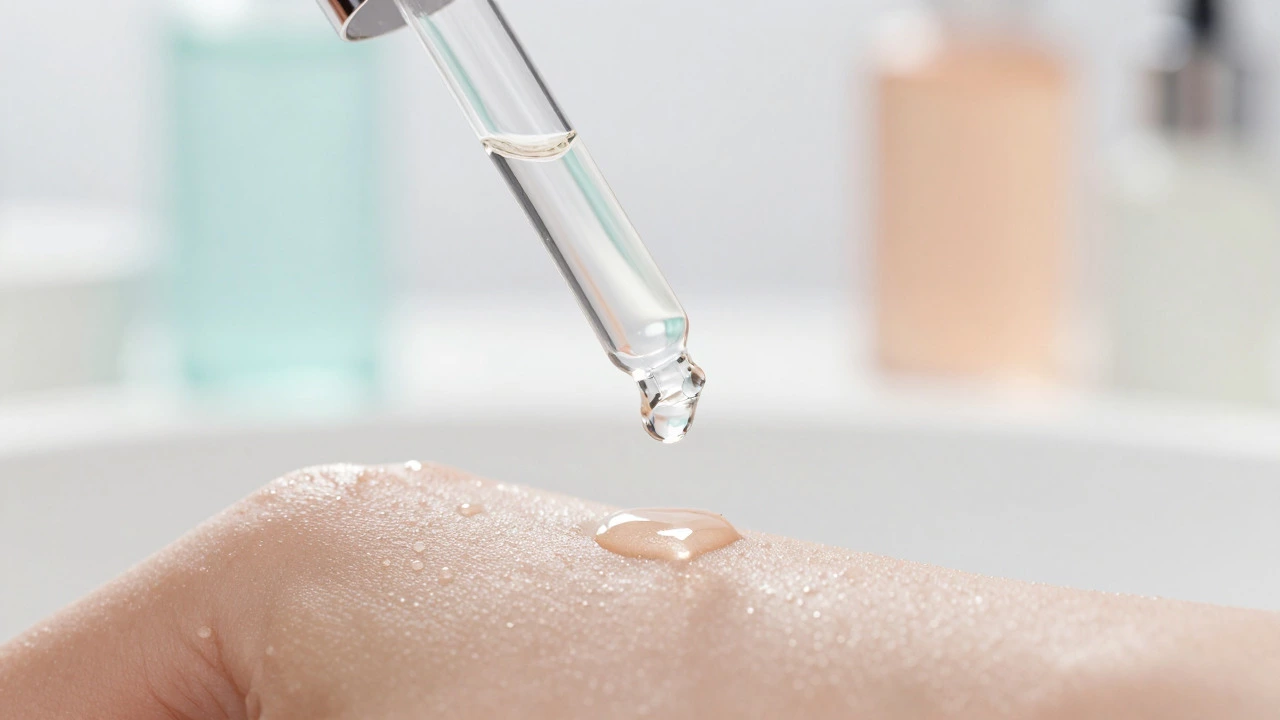
Water isn’t just an afterthought; it’s the backbone of modern cosmetic chemistry. Its role goes far beyond simple moisturizing. Chemists use water because it is an excellent solvent. Many active ingredients-like vitamins, antioxidants, and botanical extracts-are water-soluble. Without a liquid base to dissolve them into, these beneficial compounds would sit on top of your skin rather than absorbing into it.
Consider the physics involved. Water has high surface tension and specific heat capacity, which allows it to carry other molecules effectively. When you apply a toner or a gel mask, the water helps deliver those active ingredients deeper into the stratum corneum, the outermost layer of your skin. It also provides the cooling sensation we associate with freshness, making the product feel pleasant upon application.
However, using pure tap water in cosmetics is a recipe for disaster. Tap water contains minerals, chlorine, and bacteria that can destabilize formulas and cause infections. That’s why cosmetic-grade water undergoes rigorous purification processes. Manufacturers typically use deionized water, distilled water, or purified water. These processes remove impurities, ensuring that the final product remains stable and safe for long-term use. The purity of this water directly impacts the shelf life and efficacy of the entire product.
The Second Place: Humectants and Glycerin
If water is the canvas, then humectants are the paint that keeps everything looking good. While water evaporates quickly, humectants work to hold moisture in place. Among these, Glycerin is one of the most widely used humectants in cosmetics, known for its ability to attract and retain moisture from the environment. You will find glycerin in nearly every second product on your shelf, often listed right after Aqua.
Glycerin is fascinating because it works both ways. It draws moisture from the air into your skin when humidity is high, but it can also pull moisture from the deeper layers of your skin to the surface if the air is dry. This dual nature makes it incredibly versatile. It’s cheap, non-irritating, and effective for almost all skin types, including sensitive and acne-prone skin. Unlike some heavy oils that can clog pores, glycerin is lightweight and creates a breathable barrier.
Other common humectants include hyaluronic acid, propylene glycol, and sorbitol. Hyaluronic acid has gained massive popularity in recent years due to marketing campaigns highlighting its ability to hold up to 1,000 times its weight in water. While effective, it is significantly more expensive than glycerin. As a result, many brands use a combination of cheaper humectants like glycerin alongside small amounts of hyaluronic acid to balance cost and performance.
Preservatives: The Unsung Heroes
Here is a hard truth: without preservatives, your makeup and skincare would turn into a petri dish within days. Because water is the primary ingredient, it creates the perfect environment for bacteria, mold, and yeast to thrive. Every time you dip your fingers into a jar of cream, you introduce contaminants. Preservatives stop this microbial growth.
The most common preservative systems include parabens, phenoxyethanol, and benzyl alcohol. Despite the negative press surrounding parabens in the early 2000s, they remain one of the most studied and effective preservatives available. Regulatory bodies like the FDA and the European Commission have deemed low concentrations of parabens safe for use in cosmetics. However, consumer demand for "clean beauty" has pushed many brands to switch to alternatives like phenoxyethanol.
Phenoxyethanol is now ubiquitous in "paraben-free" products. It’s effective against a broad spectrum of microbes and is generally well-tolerated by the skin. Another rising star is ethylhexylglycerin, which boosts the effectiveness of other preservatives while also acting as a mild exfoliant. Understanding preservatives is key to avoiding irritation. Some people develop contact dermatitis from certain preservatives, so knowing which ones are in your products can help you identify triggers.
| Ingredient | Primary Function | Common Product Types | Skin Benefit |
|---|---|---|---|
| Aqua (Water) | Solvent / Base | Lotions, Toners, Cleansers | Hydration, Delivery System |
| Glycerin | Humectant | Moisturizers, Serums | Maintains Moisture Barrier |
| Phenoxyethanol | Preservative | All Water-Based Products | Prevents Bacterial Growth |
| Cetearyl Alcohol | Emulsifier / Thickener | Creams, Lotions | Smooth Texture, Stability |
| Niacinamide | Active Ingredient | Serums, Treatments | Brightening, Pore Refining |
Emulsifiers and Texturizers
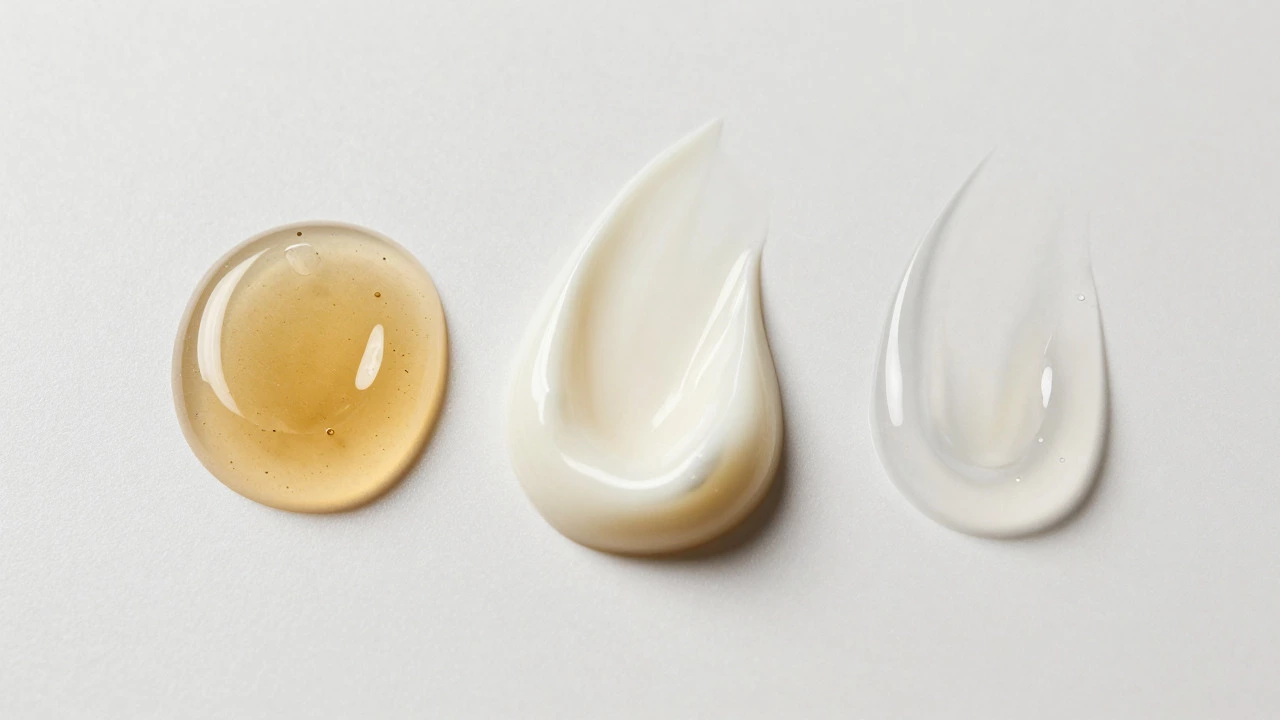
Water and oil don’t mix. Try stirring olive oil into a glass of water, and you’ll see they separate instantly. Yet, your favorite face cream is a smooth, uniform mixture. How? Emulsifiers. These ingredients act as mediators, allowing water and oil to blend into a stable emulsion.
Cetearyl Alcohol is a fatty alcohol commonly used as an emulsifier and thickener in cosmetics to create a rich, creamy texture. Despite the word "alcohol," it doesn’t dry out your skin like ethanol does. Instead, it adds slip and richness, making the product feel luxurious. Other common emulsifiers include polysorbates and stearic acid. Without these, your lotion would separate into a watery layer and an oily layer before you even opened the bottle.
Texturizers also play a vital role. Silica, dimethicone, and various clays are added to control how a product feels on the skin. Dimethicone, a type of silicone, creates a smooth, velvety finish and helps fill in fine lines temporarily. It’s a staple in primers and foundations. Silica, on the other hand, is often used to absorb excess oil and provide a matte finish. These ingredients determine whether a product feels sticky, greasy, or lightweight.
Active Ingredients vs. Base Ingredients
It’s important to distinguish between base ingredients and active ingredients. Base ingredients like water, glycerin, and emulsifiers make up the bulk of the product. They ensure the product exists, stays stable, and feels good. Active ingredients, however, are the ones that claim to change your skin. These include retinol, vitamin C, niacinamide, and salicylic acid.
Here’s the catch: active ingredients are usually present in much smaller concentrations. A typical vitamin C serum might contain 10% to 20% vitamin C, but the remaining 80% to 90% is still water, solubilizers, and stabilizers. This means that while the active ingredient gets all the credit, the base ingredients are doing the heavy lifting of delivering that active to your skin safely.
Niacinamide is a great example of an ingredient that bridges the gap. It’s an active ingredient that brightens skin and regulates oil, but it’s also extremely stable and compatible with almost any base formula. This versatility makes it one of the most popular active ingredients in the market today. Brands love it because it doesn’t require complex stabilization systems, unlike unstable ingredients like L-ascorbic acid (pure vitamin C).
Reading the INCI List Like a Pro
Now that you know what to look for, how do you read the label? The International Nomenclature of Cosmetic Ingredients (INCI) requires ingredients to be listed in descending order of concentration. This means the first five ingredients make up the majority of the product. Anything listed after "1%" can be in any order, which is why fragrances and preservatives often appear at the end.
Don’t be fooled by marketing terms. "Natural" doesn’t always mean better. Poison ivy is natural, but you probably don’t want it on your face. Similarly, "chemical-free" is a misnomer since everything is made of chemicals. Focus on the function. If you have sensitive skin, look for minimal fragrance and gentle preservatives. If you have oily skin, avoid heavy occlusives like mineral oil and look for lighter bases like water and glycerin.
Understanding the hierarchy of ingredients empowers you to cut through the hype. You’ll realize that a $20 drugstore moisturizer and a $100 luxury cream might share the exact same top five ingredients: Aqua, Glycerin, Cetearyl Alcohol, Caprylic/Capric Triglyceride, and Phenoxyethanol. The difference lies in the scent, the packaging, and perhaps a trace amount of a rare flower extract that has little to no effect on your skin.
Future Trends in Cosmetic Formulation
The cosmetic industry is constantly evolving. One major trend is the shift towards waterless beauty. Dehydrated powders, solid balms, and concentrated oils eliminate the need for water and, consequently, preservatives. This reduces the carbon footprint associated with shipping water around the world. Brands are experimenting with biodegradable surfactants and plant-based emulsifiers to meet the demand for sustainable options.
Another area of innovation is microbiome-friendly skincare. Instead of killing all bacteria with harsh preservatives, new formulations aim to support the skin’s natural flora. Prebiotics and postbiotics are being added to products to feed beneficial bacteria. This approach could revolutionize how we think about preservation and skin health, moving away from a "sterile" model to a "balanced" one.
Personalization is also on the rise. With advancements in AI and genetic testing, future cosmetics may be tailored to your specific skin profile. Imagine a moisturizer formulated with the exact ratio of humectants and emollients your skin needs based on your local climate and genetic predispositions. While we’re not there yet, the foundation is being laid today through customizable foundation shades and modular skincare systems.
Is water really the first ingredient in most cosmetics?
Yes, Aqua (water) is the first ingredient in approximately 80-90% of cosmetic products, including lotions, toners, and cleansers. It serves as the primary solvent and base, allowing other ingredients to dissolve and spread evenly on the skin.
Why is glycerin so common in skincare?
Glycerin is a highly effective humectant that attracts moisture to the skin. It is inexpensive, non-irritating, and compatible with almost all skin types, making it a staple in moisturizers and serums worldwide.
Are preservatives necessary in cosmetics?
Absolutely. Preservatives prevent bacterial, mold, and yeast growth in water-based products. Without them, cosmetics would spoil quickly and could cause skin infections. Common preservatives include phenoxyethanol and parabens.
What does the order of ingredients on a label mean?
Ingredients are listed in descending order of concentration. The first few ingredients make up the bulk of the product, while those listed near the end are present in smaller amounts, often less than 1%.
Is "natural" always better than "synthetic" ingredients?
Not necessarily. Natural ingredients can be allergenic or unstable, while synthetic ingredients are often purer, more stable, and rigorously tested for safety. The quality and function of the ingredient matter more than its origin.