Clean Beauty Ingredient Checker
Paste an ingredient list (INCI) below to identify potentially controversial chemicals like parabens, phthalates, and formaldehyde releasers based on clean beauty standards.
What to look for instead:
- Certifications: EWG Verified, COSMOS Organic, or Leaping Bunny.
- Preservatives: Phenoxyethanol or Ethylhexylglycerin are generally considered safer alternatives to parabens.
- Fragrance: Look for "Fragrance-Free" rather than "Unscented" to avoid masking agents.
Have you ever stared at a lipstick shade and felt a pang of hesitation before applying it? You’re not alone. The conversation around clean beauty has shifted from a niche trend to a mainstream demand. We spend hours caring for our skin with serums and moisturizers, yet we often apply products containing questionable chemicals right on top of that hard work. But here is the tricky part: there is no single "healthiest" makeup brand in the world. Regulatory standards vary wildly between countries, and the term "clean" isn’t legally defined in many markets, including the US and New Zealand.
Finding the safest options requires looking past the marketing buzzwords like "natural" or "green." Instead, you need to understand what is actually inside the jar. This guide breaks down how to identify truly healthy makeup brands, which ingredients to avoid, and which companies are leading the charge in transparency and safety.
Decoding the "Clean Beauty" Label
First, let’s clear up a common misconception. When a brand claims their products are "clean," they usually mean they have excluded certain controversial ingredients. However, without a universal legal definition, one brand’s "clean" list might differ significantly from another’s. For example, some brands exclude parabens but still use synthetic fragrances, while others ban both.
To find the healthiest options, look for third-party certifications rather than self-proclaimed labels. Certifications like EWG Verified, COSMOS Organic, or Leaping Bunny (for cruelty-free status) provide an extra layer of accountability. These organizations audit supply chains and ingredient lists, ensuring that what you see on the label matches what is in the product. In regions like Europe, regulations are stricter, banning over 1,300 ingredients compared to fewer than 30 in the United States. This means European-standard brands often set a higher baseline for safety globally.
Ingredients to Watch Out For
Not all chemicals are bad, but some have been linked to hormonal disruption, skin irritation, or long-term health concerns. When scanning ingredient lists (INCI), keep an eye out for these common culprits:
- Parabens: Preservatives like methylparaben and propylparaben are used to prevent bacterial growth. While generally considered safe in low doses by regulatory bodies, they can mimic estrogen in the body. Many sensitive individuals prefer to avoid them entirely.
- Phthalates: Often hidden under the term "fragrance," phthalates are plasticizers that help scents last longer. They are known endocrine disruptors and are best avoided, especially during pregnancy.
- Sodium Lauryl Sulfate (SLS): A harsh surfactant found in cleansers and mascaras. It can strip the skin of its natural oils, leading to irritation and compromised barrier function.
- Talc: Commonly found in powders and eyeshadows. While pure talc is safe, mining processes can sometimes contaminate it with asbestos, a known carcinogen. Mineral-based alternatives like mica or zinc oxide are safer bets.
- Formaldehyde Releasers: Ingredients like DMDM hydantoin release small amounts of formaldehyde over time to preserve the product. Formaldehyde is a recognized human carcinogen.
The key is not just avoiding these ingredients but understanding why they are there. If a preservative-free product goes bad quickly, it might introduce bacteria into your eyes or skin, which is arguably less healthy than using a mild, safe preservative like phenoxyethanol.
Top Contenders for Healthiest Makeup Brands
While no brand is perfect, several companies have built their reputations on rigorous ingredient screening and transparency. Here are some of the most respected names in the clean beauty space as of 2026.
| Brand | Key Focus | Certifications | Best For |
|---|---|---|---|
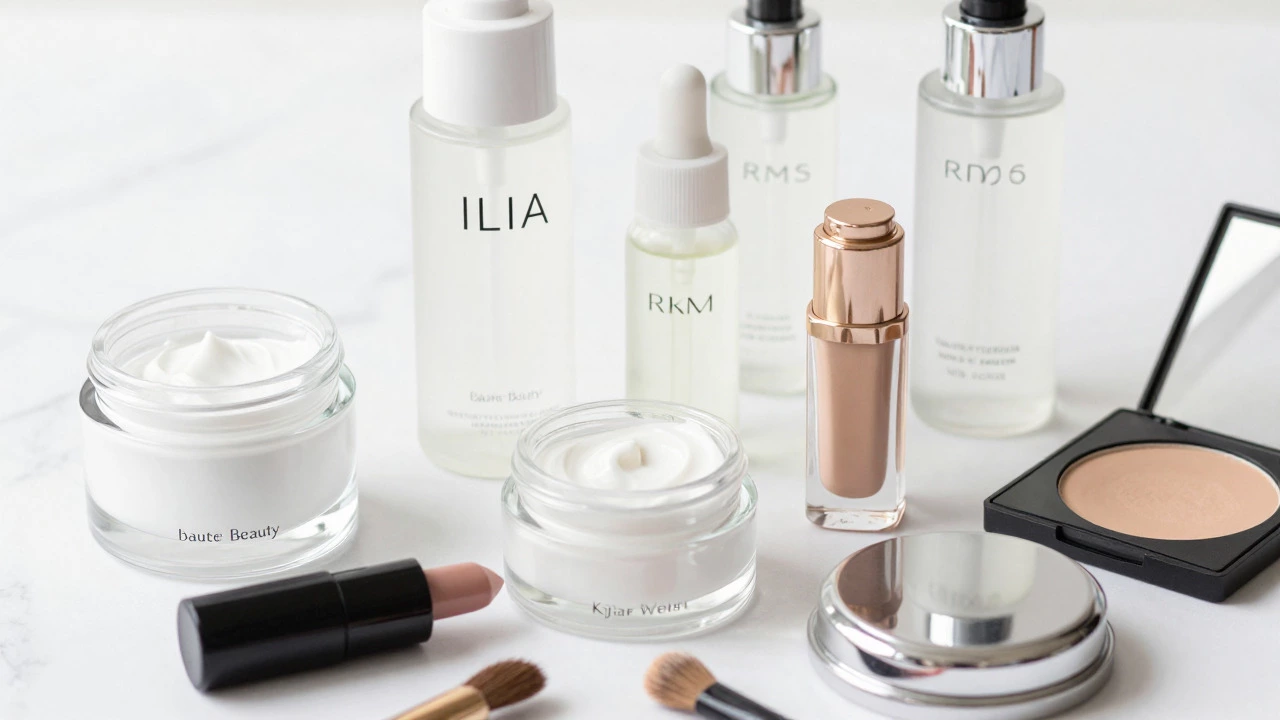
| Ilia Beauty | Skin-care infused makeup | Clean at Sephora, Leaping Bunny | Dewy complexion, everyday wear |
| RMS Beauty | Raw, food-grade ingredients | USDA Certified Biobased | Natural finish, sensitive skin |
| Vintner’s Daughter | Antioxidant-rich formulations | Clean at Sephora | Anti-aging benefits, luxury feel |
| Kjaer Weis | Sustainable packaging & organic | COSMOS Organic, Leaping Bunny | Eco-conscious consumers, refillable systems |
| Merit | Minimalist, multi-use formulas | Clean at Sephora | Busy lifestyles, simple routines |
Ilia Beauty stands out for its Super Serum Skin Tint, which blurs the line between skincare and makeup. It uses hyaluronic acid and squalane to hydrate while providing coverage. RMS Beauty, founded by Rose-Marie Swift, pioneered the use of raw, cold-pressed botanicals, making it a favorite for those who want minimal processing. On the high-end side, Kjaer Weis offers organic makeup in luxurious metal compacts that can be refilled, reducing plastic waste-a significant aspect of holistic health.
The Role of Packaging in Product Safety
We often forget that the container matters as much as the contents. Some ingredients, particularly retinol and vitamin C, degrade when exposed to light and air. Using opaque, airless pump bottles ensures the product remains stable and effective throughout its lifespan. Clear jars can lead to oxidation, turning active ingredients useless or even irritating.
Furthermore, microplastics in packaging can leach into products, especially if stored in warm environments. Brands that prioritize glass, aluminum, or recycled paperboard are not only better for the planet but also reduce the risk of chemical migration into your makeup. Look for terms like "airless packaging" or "UV-resistant containers" on product descriptions.
How to Verify a Brand’s Claims
Marketing teams are skilled at using words like "dermatologist-tested" or "hypoallergenic," which sound reassuring but lack strict regulatory definitions. To truly verify a brand’s healthiness, take these steps:
- Check the Ingredient List: Use apps like Yuka or Think Dirty to scan barcodes. These tools rate products based on potential toxicity risks associated with specific ingredients.
- Look for Transparency Reports: Truly clean brands often publish detailed information about their sourcing, manufacturing processes, and why they chose specific ingredients. If a brand hides behind proprietary blends, proceed with caution.
- Research Clinical Studies: Does the brand back up its claims with data? For instance, if a foundation claims to improve skin barrier function, are there peer-reviewed studies supporting this?
- Read Beyond the Front Label: Ignore front-of-pack claims like "95% Natural." Focus on the full INCI list on the back. Water is often the first ingredient, so "95% natural" might just mean water and a few plant extracts, with the rest being synthetic stabilizers.
Common Myths About Healthy Makeup
Misinformation spreads quickly in the beauty community. Let’s debunk a few persistent myths:
Myth: Natural is always safer. Not true. Poison ivy is natural, but it’s not good for your face. Essential oils, for example, can cause severe allergic reactions in sensitive skin types. Synthetic ingredients can be purer and more stable than their natural counterparts.
Myth: All mineral makeup is safe. While mineral makeup (zinc oxide, titanium dioxide) is generally gentle, it can contain nanoparticles that penetrate the skin. Also, as mentioned earlier, talc contamination is a real concern. Always choose reputable brands that test for asbestos.
Myth: Expensive equals healthier. Price often reflects branding, packaging, and marketing costs rather than ingredient quality. Some drugstore brands offer surprisingly clean formulations at a fraction of the cost of luxury lines.
Building a Safe Makeup Routine
Transitioning to healthier makeup doesn’t require throwing everything away overnight. Start with the products that stay on your skin the longest, like foundations and concealers. Then move to lip products, since we tend to ingest small amounts of lipstick throughout the day. Eye products come next, given the delicate nature of the eye area.
Patch testing is crucial when trying new brands, even "clean" ones. Apply a small amount behind your ear or on your inner arm and wait 24 hours to check for reactions. Consistency is key; give your skin time to adjust to new formulations. Remember, the healthiest makeup is the one that works for your unique skin type and doesn’t cause irritation or breakouts.
Is organic makeup always better for your skin?
Not necessarily. "Organic" refers to how ingredients are grown, not necessarily their safety or efficacy. Some organic ingredients can be allergens or irritants. Look for certified organic brands that also prioritize non-toxic formulations and stability.
Can makeup clog pores if it's "clean"?
Yes. Even clean ingredients can be comedogenic (pore-clogging) depending on your skin type. Oils like coconut oil, often found in natural makeup, can break out acne-prone skin. Always check if a product is labeled "non-comedogenic" or "oil-free" if you have oily or acne-prone skin.
How long does clean makeup last?
Clean makeup often uses fewer synthetic preservatives, which can shorten shelf life. Generally, creams last 6-12 months after opening, while powders can last up to two years. Always check the Period After Opening (PAO) symbol on the packaging, which looks like an open jar with a number and 'M' (e.g., 12M).
Are fragrance-free makeup brands healthier?
For sensitive skin, yes. Fragrance is a leading cause of contact dermatitis. Fragrance-free products eliminate this risk. However, unscented products may still contain masking fragrances, so read the ingredient list carefully. "Fragrance-free" is preferable to "unscented."
Does clean makeup perform as well as conventional makeup?
Historically, clean makeup had issues with longevity and pigmentation. However, advancements in formulation science have closed this gap. Many modern clean brands offer high-pigment, long-wearing formulas that rival conventional options, though individual results may vary based on skin type.