Shampoo Ingredient Checker
Find the Healthiest Shampoo for You
Answer these questions to get personalized recommendations based on hair science.
Your Results
Not all shampoos are created equal. Some strip your hair dry. Others pile on chemicals that build up over time. And a lot of them just don’t do anything meaningful for your hair’s health. So what shampoo is actually healthiest for hair? The answer isn’t about brands or price tags-it’s about ingredients, your scalp condition, and how your hair responds over time.
What makes a shampoo healthy?
A healthy shampoo doesn’t just clean. It protects. It supports your scalp’s natural balance. It doesn’t strip oils your hair needs. And it avoids ingredients that damage hair structure over time. The healthiest shampoos work with your biology, not against it.
Let’s break down what matters:
- Surfactants-the cleaning agents. Harsh ones like sodium lauryl sulfate (SLS) and sodium laureth sulfate (SLES) remove too much oil, leaving hair brittle and scalp dry.
- Preservatives-some, like parabens and formaldehyde-releasers, are linked to irritation and long-term sensitivity.
- Friction agents-silicones (like dimethicone) coat hair, making it feel smooth now but building up over weeks, blocking moisture.
- Hydrating ingredients-things like aloe vera, panthenol, glycerin, and ceramides help retain water in the hair shaft.
- Scalp-supporting actives-niacinamide, zinc pyrithione, tea tree oil, and licorice root extract can calm inflammation and reduce flaking.
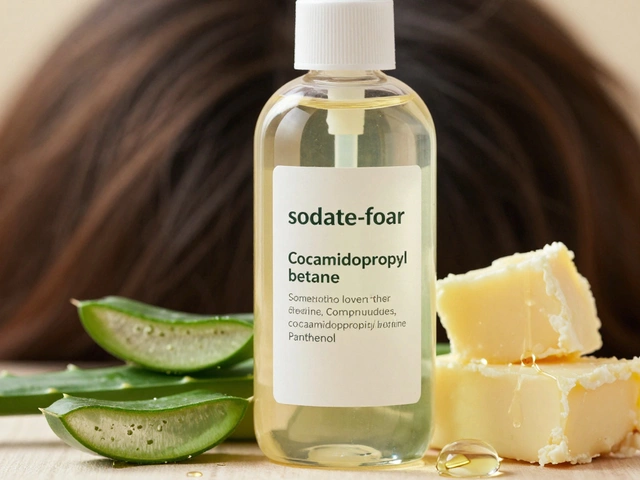
Look for shampoos that replace harsh surfactants with gentler ones like cocamidopropyl betaine, decyl glucoside, or sodium cocoyl isethionate. These clean effectively without stripping.
What to avoid: The top 5 harmful ingredients
Even products labeled "natural" or "gentle" can hide troublemakers. Here’s what to scan for on labels:
- Sulfates-SLS and SLES are the biggest offenders. They’re cheap, foamy, and drying. Studies show they disrupt the scalp’s microbiome, leading to increased dryness and itchiness.
- Parabens-methylparaben, propylparaben. Used as preservatives, they mimic estrogen and may interfere with hormone balance. The EU has banned several in cosmetics.
- Formaldehyde-releasing preservatives-DMDM hydantoin, bronopol. They’re common in drugstore shampoos. The American Academy of Dermatology warns they can cause scalp irritation and allergic reactions.
- Artificial fragrances-listed as "fragrance" or "parfum." These contain dozens of unlisted chemicals. In 2023, a European study found 70% of "unscented" shampoos still contained hidden fragrance allergens.
- Dimethicone and other silicones-they create a temporary shine but build up, making hair feel heavy and dull. Over time, they prevent moisture from entering the hair strand.
If you see any of these on the back of the bottle, it’s not the healthiest option-even if it smells amazing or lathers like crazy.
Best shampoo types for different hair needs
There’s no one-size-fits-all. Your hair’s health depends on your texture, scalp condition, and lifestyle. Here’s what works best for common needs:
For dry or curly hair
Curl patterns lose moisture easily. Avoid anything with sulfates. Look for shampoos with:
- Coconut-derived cleansers
- Shea butter or jojoba oil
- Hydrolyzed proteins (like quinoa or rice)
Brands like SheaMoisture a hair care brand known for using natural oils and ethically sourced ingredients and Not Your Mother’s a hair care brand offering affordable, plant-based formulas with minimal additives have lines specifically designed for curl retention and hydration.
For oily scalp or dandruff
Overproduction of oil doesn’t mean you need a harsh shampoo. It means you need balance. Ingredients that help:
- Zinc pyrithione (kills yeast linked to flaking)
- Tea tree oil (natural antifungal)
- Salicylic acid (exfoliates dead skin)
- Niacinamide (reduces inflammation)
Neutrogena T/Gel a medicated shampoo containing coal tar to treat scalp conditions like psoriasis and seborrheic dermatitis and Head & Shoulders Clinical Strength a dandruff shampoo with 2% zinc pyrithione approved by dermatologists are backed by clinical studies for reducing flaking without over-drying.
For fine or thinning hair
Heavy conditioners and silicones weigh fine hair down. Choose lightweight, volumizing formulas with:
- Biotin
- Caffeine
- Peptides (like copper tripeptide)
- Plant sterols (from soy or wheat)
Living Proof Full a hair care line developed by MIT scientists to deliver volume without buildup and Paul Mitchell Clean Beauty a line of sulfate-free shampoos with organic botanicals and no synthetic fragrances are popular among people with fine hair who want lift without grease.
What about "natural" or "organic" shampoos?
The terms "natural" and "organic" aren’t regulated. A shampoo can say "100% natural" and still contain synthetic preservatives or fillers. The FDA doesn’t define "natural" for cosmetics.
Instead of trusting labels, look for certifications:
- ECOCERT-ensures at least 95% of plant ingredients are from organic farming
- COSMOS-strict standards for biodegradability and absence of petrochemicals
- USDA Organic-requires 95%+ organic ingredients (rare in shampoos)
Brands like Aveda a beauty brand known for plant-based ingredients and sustainable packaging and Innersense Organic Beauty a hair care brand using certified organic ingredients and zero synthetic fragrances meet these standards. They’re pricier, but they deliver real benefits: less irritation, no buildup, and cleaner ingredients.
How to test if a shampoo is right for you
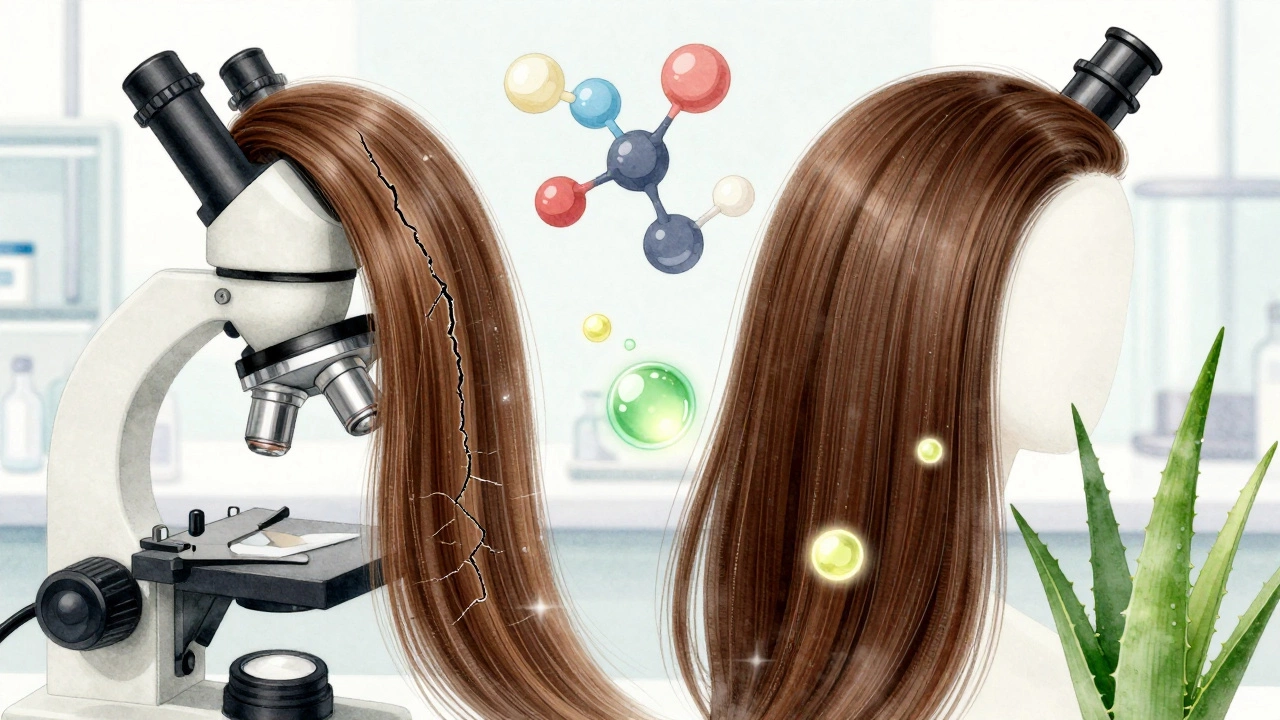
Don’t rely on ads. Try this simple 4-week test:
- Wash your hair with your current shampoo for one week. Note how your scalp feels-itchy? Tight? Flaky?
- Switch to a new shampoo with gentler ingredients. Use it every 2-3 days.
- After 2 weeks, check: Is your scalp less irritated? Does your hair feel softer, not greasy?
- At 4 weeks, look at your hair’s texture. Is it less frizzy? More manageable? Does it hold style better?
If your scalp feels calm and your hair looks healthier, you’ve found a match. If not, try another formula. Your hair changes with seasons, stress, and hormones. What worked last year might not work now.
Myth: More lather = better clean
That thick foam? It’s just air and surfactants. It has nothing to do with cleaning power. In fact, shampoos with fewer bubbles often clean better because they’re less harsh.
Some sulfate-free shampoos lather less. That’s okay. You’re not missing out-you’re protecting your hair.
What about DIY shampoos?
Apple cider vinegar rinses and baking soda washes? They’re trending, but they’re risky. Baking soda has a pH of 9. Your scalp’s natural pH is 5.5. Repeated use can damage the hair cuticle, leading to breakage.
Apple cider vinegar can help balance pH-but only if diluted properly (1 part vinegar to 4 parts water). Even then, it’s not a replacement for a proper shampoo. Use it as a rinse, not a cleanser.
Final tip: Pair your shampoo with the right conditioner
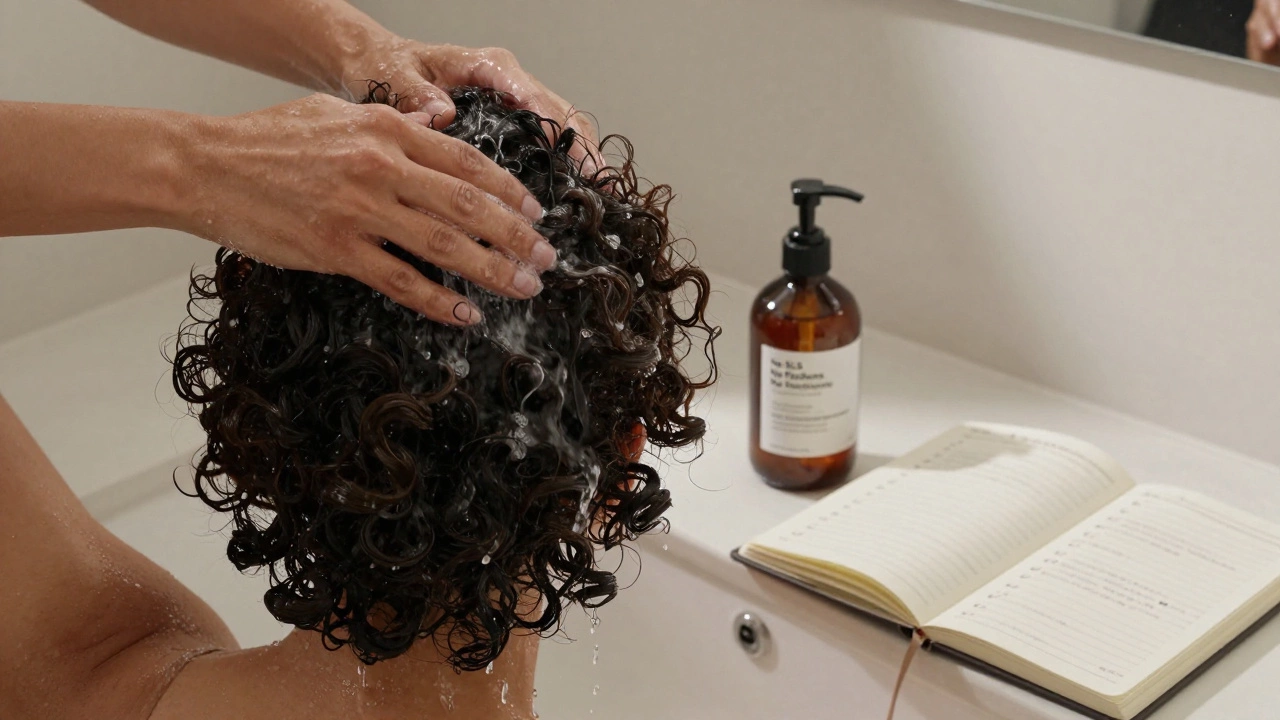
A healthy shampoo is only half the battle. If you use a heavy conditioner after a sulfate-free shampoo, you’re undoing the benefits. Look for conditioners with:
- Water-soluble silicones (like amodimethicone)-they rinse out easily
- Hydrolyzed proteins
- Plant oils (argan, avocado, grapeseed)
And always rinse with cool water. It seals the cuticle, locks in moisture, and adds shine.
What’s the healthiest shampoo overall?
There’s no single "best" shampoo. But the healthiest option for most people is:
- Sulfate-free
- Free of parabens and formaldehyde-releasers
- Contains hydrating ingredients like panthenol or aloe
- Has scalp-soothing actives like niacinamide or tea tree
- Has a pH between 5 and 6
Brands that consistently meet these criteria include Alaffia a fair trade, plant-based hair care brand using shea butter and ethically sourced ingredients, Function of Beauty a customizable shampoo brand that formulates products based on individual hair needs, and Earth Tu Face a clean beauty brand offering organic, non-toxic hair care with minimal ingredients.
The key isn’t the brand-it’s the ingredient list. Read it. Understand it. Test it. Your hair will thank you in six months.
Is sulfate-free shampoo better for hair health?
Yes, for most people. Sulfates like SLS and SLES strip natural oils, leading to dryness, frizz, and scalp irritation. Sulfate-free shampoos use gentler cleansers that remove dirt without over-drying. Studies from the Journal of Cosmetic Dermatology show sulfate-free formulas cause less scalp barrier damage over time.
Can I use the same shampoo every day?
It depends. If you have oily hair or sweat heavily, daily washing is fine with a gentle shampoo. But if your scalp is dry or sensitive, washing every 2-3 days is better. Overwashing-even with mild shampoos-can disrupt your scalp’s natural balance and lead to more oil production.
Do natural shampoos work as well as conventional ones?
They can, but not always. Natural shampoos clean differently. They may not lather as much, and they don’t leave a slippery film. This can feel weird at first. But after 2-3 weeks, most people notice less buildup, softer hair, and fewer scalp issues. The trade-off is usually worth it for long-term hair health.
What’s the best shampoo for colored hair?
Look for sulfate-free, pH-balanced formulas with UV filters and antioxidants. Ingredients like sunflower seed extract and vitamin E help protect dye. Avoid shampoos with clarifying agents or strong detergents-they fade color faster. Brands like Color Wow and Olaplex are designed specifically for color-treated hair.
Does water quality affect shampoo performance?
Yes. Hard water (high in calcium and magnesium) can leave mineral deposits on hair, making it dull and stiff. If you live in a hard water area, use a chelating shampoo once a month to remove buildup. Look for ingredients like EDTA or citric acid. You can also install a shower filter to reduce mineral content.
Next steps: What to do today
Check the label on your current shampoo. Find the ingredient list. Look for sulfates, parabens, or dimethicone. If you see any, write down the top 3 ingredients you want to avoid.
Then, pick one new shampoo from a brand that lists clean, transparent ingredients. Give it 4 weeks. Track how your scalp feels, how your hair looks in the mirror, and whether it tangles less. That’s your real test-not a review, not a trend, not a celebrity endorsement.
Your hair doesn’t care about price. It cares about what touches its surface. Choose wisely.