Organic Skincare: Real Tips for Clean, Glowing Skin
Ever wondered why "organic" is on every bottle these days? It’s not just a buzzword – it means the formula is built around ingredients that grow without synthetic pesticides or harsh chemicals. When you pick products that stick to those rules, you cut down on irritants and give your skin a chance to breathe. Below you’ll find the basics that help you spot the good stuff and skip the greenwash.
What Makes a Product Truly Organic?
First off, check the label for a certification seal. In the UK, look for Soil Association or COSMOS‑standard stamps. Those tell you a third‑party has verified the organic claim. Next, scan the ingredient list. Real organic products list natural extracts like jojoba oil, green tea, or colloidal oatmeal near the top. If you see synthetic fragrances, parabens, or petroleum‑based solvents, it’s probably not pure organic.
Another quick check: count the organic ingredients. If more than half of the formula is certified organic, you’re in safe territory. Also, avoid vague terms like "nature‑derived" or "botanical blend" without any proof. Those can mask regular chemicals. A simple rule is: if you can pronounce every ingredient and it sounds like something you’d find in a garden, you’re probably good.
Simple Everyday Organic Skincare Routine
Start with a gentle organic cleanser. Pick one with soothing agents like oat or chamomile – they wash away dirt without stripping the skin’s natural oils. Rinse with lukewarm water, pat dry, and move to a toner that contains rose water or witch hazel. This step restores pH balance and preps your skin for the next step.
For hydration, choose a lightweight organic serum packed with vitamin C from acerola or hyaluronic acid derived from plant sources. Apply a few drops and let it sink in. Follow with a moisturizer that includes shea butter, jojoba oil, or avocado oil. These oils lock in moisture and keep the barrier strong.
If you’re dealing with fine lines, look for an organic night cream with bakuchiol, a plant‑based alternative to retinol, or a peptide blend from pea protein. These ingredients support collagen without the irritation that some synthetic actives cause. Don’t forget sunscreen – there are mineral‑based organic options with zinc oxide that protect without chemical filters.
Extras like a weekly mask made from honey and turmeric can boost radiance. Just mix a teaspoon of raw honey with a pinch of turmeric, apply for 10 minutes, and rinse. The combo fights bacteria and adds a brightening effect without any harsh additives.
Remember, the goal isn’t to buy a new product every day. Stick to a core set of truly organic basics and add targeted treatments when needed. This keeps your routine simple, affordable, and effective.
By paying attention to certifications, ingredient lists, and the proportion of organic actives, you can cut through the hype and build a skincare line that truly benefits your skin. Start small, test how your skin reacts, and you’ll see the difference clean, organic care can make.
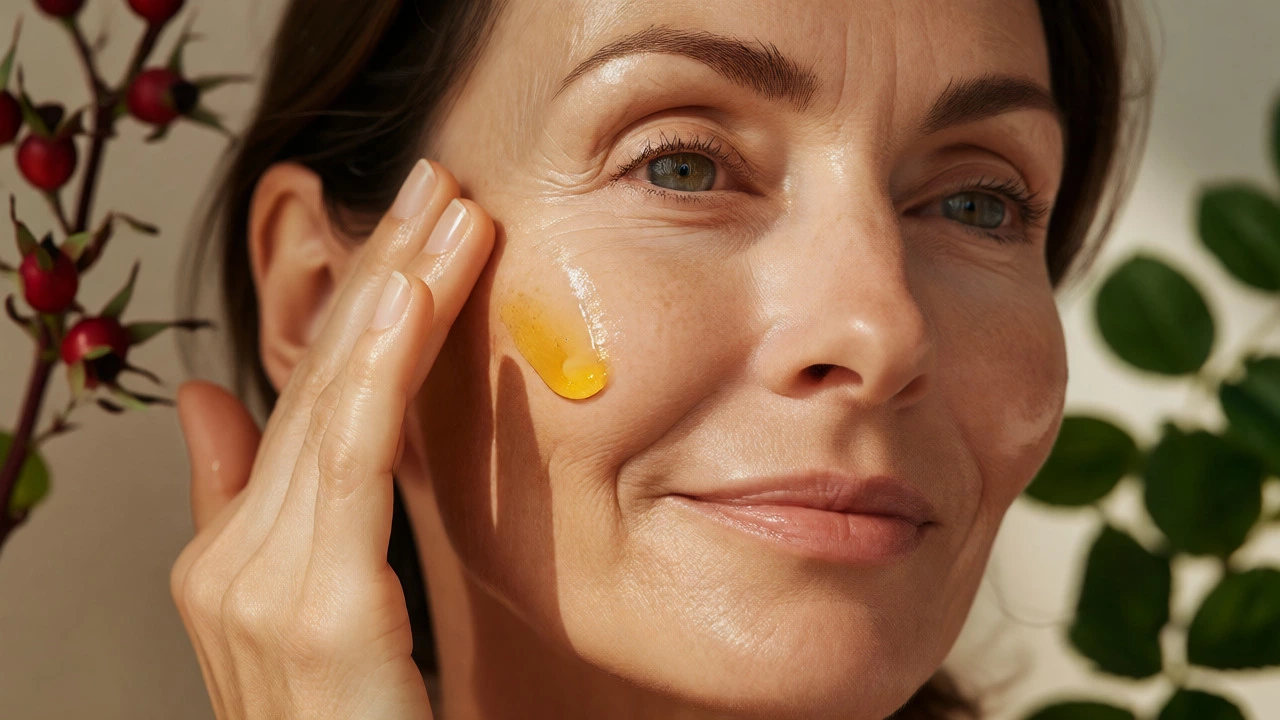
Best Organic Skin Care Lines for Over 50s: Top Picks & Ingredients
Discover the best organic skin care lines for over 50s. Learn key ingredients like bakuchiol and hyaluronic acid, top brand comparisons, and effective routines for mature skin.

What is the Most Toxic Product in the World? A Skincare Reality Check
Discover the truth behind the 'most toxic' product claims. From formaldehyde releasers to hidden phthalates in fragrance, learn how to identify harmful chemicals in your daily skincare routine.
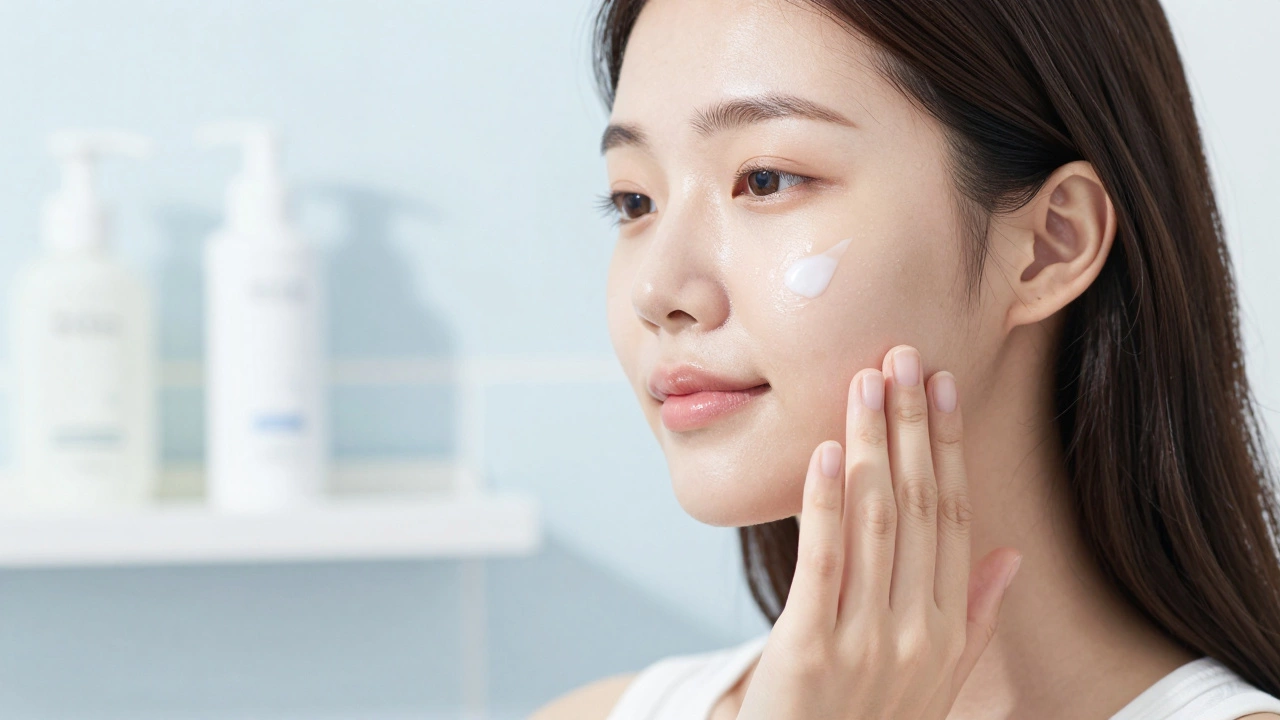
Why Do Koreans Have Good Skin? The Science and Routine Behind the Glow
Discover the secrets behind Korean skin: daily sun protection, fermented diets, and hydration-focused routines that prevent aging and promote a natural glow.
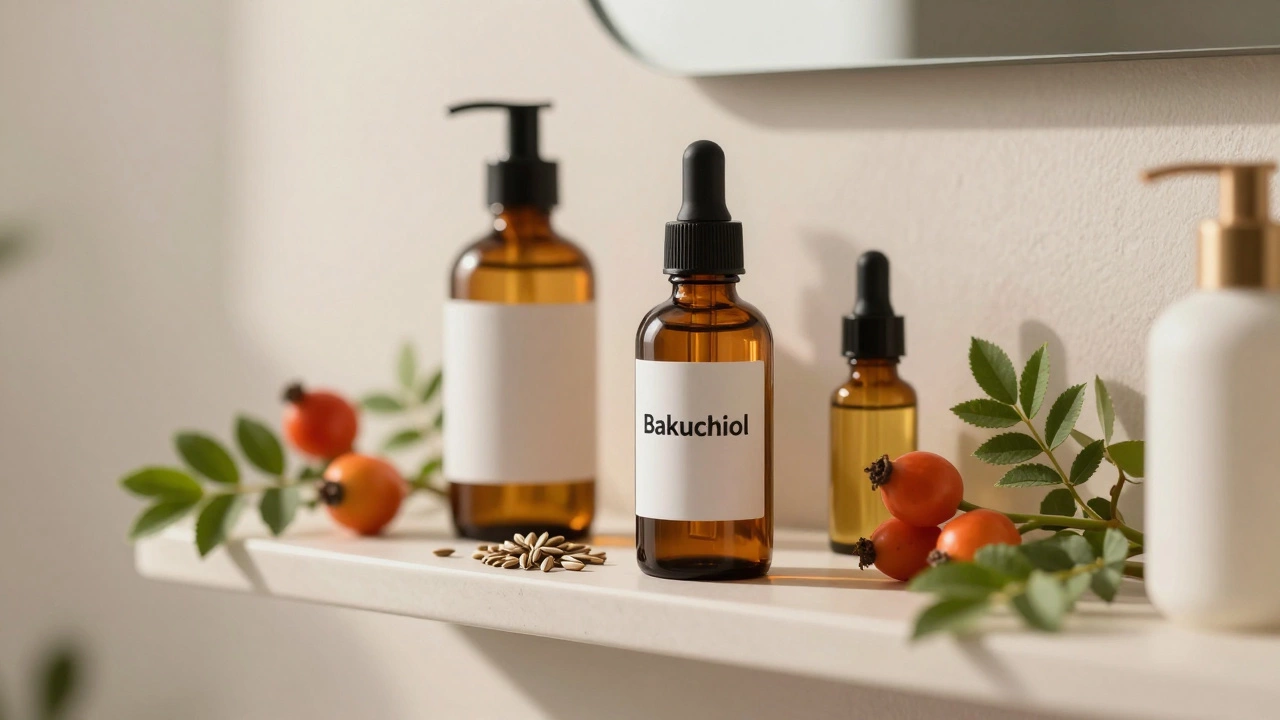
The Best Natural Ingredients for Wrinkles: Retinol Alternatives & Science-Backed Picks
Discover the best natural ingredients for wrinkles, including Bakuchiol, Rosehip Oil, and Vitamin C. Learn how these organic alternatives compare to retinol and build an effective anti-aging routine.
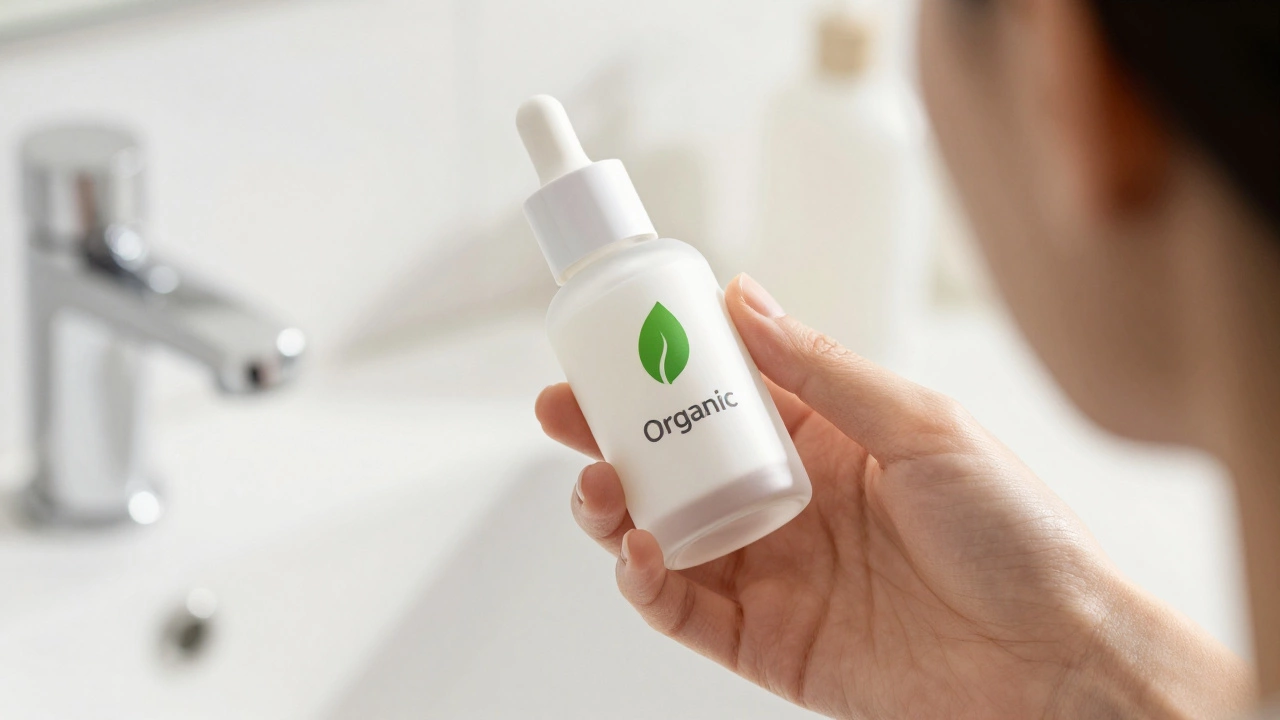
Does Organic Mean 100% Natural? The Truth About Skincare Labels
Does organic mean 100% natural? No. Learn the truth about skincare labels, certifications like USDA and COSMOS, and why "natural" isn't always safer. Avoid greenwashing with this guide.

The Dark Side of Organic Skincare: Negative Effects You Should Know
Discover the hidden risks of organic creams, from allergic reactions to bacterial growth. Learn why natural isn't always safe and how to choose certified products wisely.
Is Eminence Organics Really Organic? A Deep Dive into Ingredients and Certifications
Discover if Eminence Organics is truly organic. We analyze their BDIH and COSMOS certifications, ingredient lists, and compare them to other clean beauty brands to help you make an informed choice.

Why Is Eminence Organic Skincare So Expensive?
Eminence Organic Skincare is expensive because it uses hand-harvested, certified organic ingredients, small-batch production, and sustainable packaging. Unlike budget brands, it avoids synthetic fillers and supports regenerative farming-making its price a reflection of real value, not just marketing.
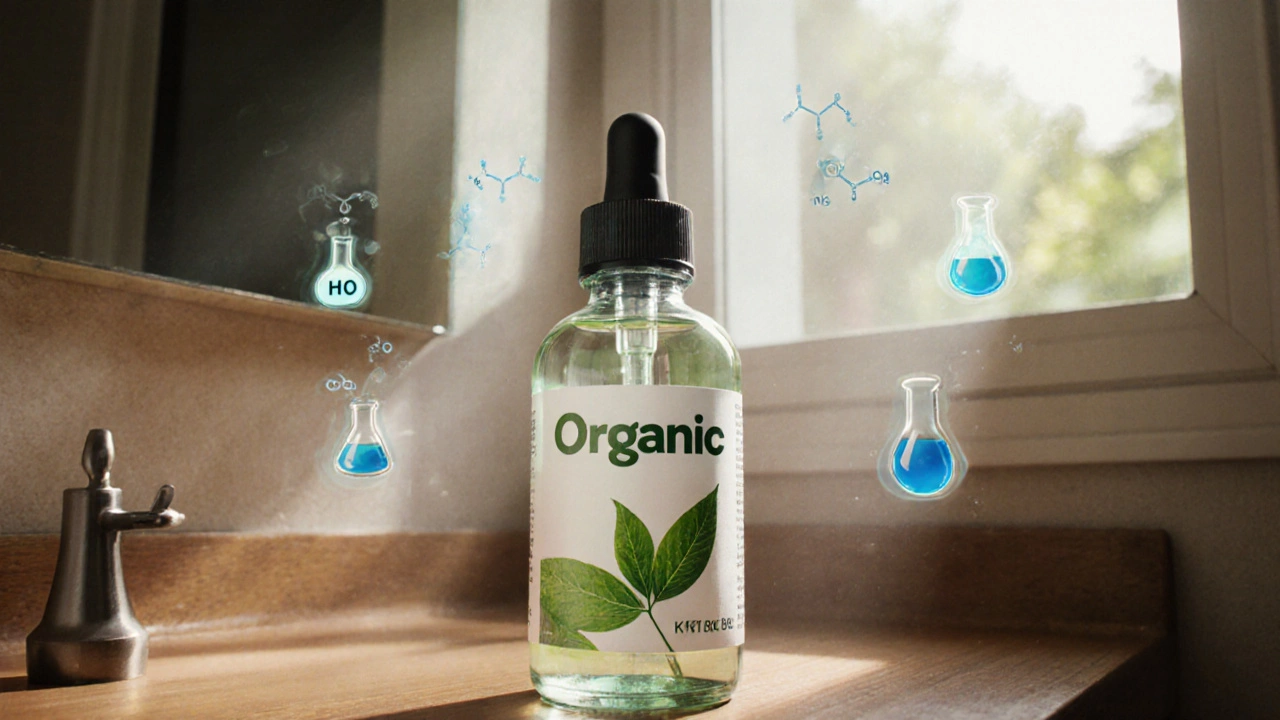
Are Organic Skincare Products Truly Chemical‑Free? The Facts
Explore whether organic skincare truly means chemical‑free, understand certification limits, and learn how to spot hidden synthetics in organic products.
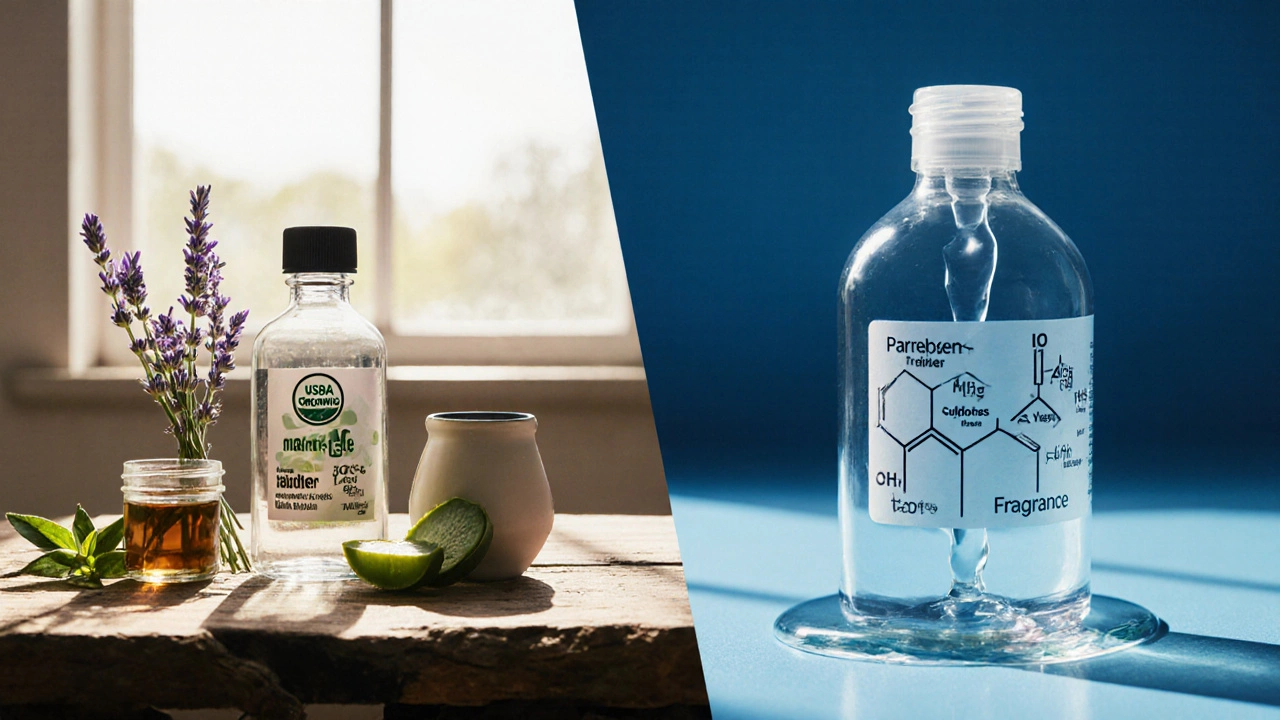
Organic Skincare vs Conventional: Which Is Better for Your Skin?
Discover how organic skincare differs from conventional products, its real benefits for skin health, common myths, and tips for choosing trustworthy organic brands.

Best Natural Products for Skin (2025): What Really Works by Skin Type
No one-size-fits-all. See the best natural skin ingredients by goal and skin type, how to use them, and what to avoid. Evidence-backed and NZ-friendly.
Organic vs Natural Skin Care: What Really Sets Them Apart?
Struggling to figure out if your skin care is organic or just calling itself natural? This article dives into what these buzzwords actually mean on your product labels, breaks down real differences, and shares practical tips for shopping smarter. No fluff—just straightforward facts that help you spot greenwashing and make the healthiest choices for your skin. If you’re looking for less confusion in the beauty aisle, you’re in the right place. Get ready to find out what you’re really putting on your face.